
Last updated November 15, 2026
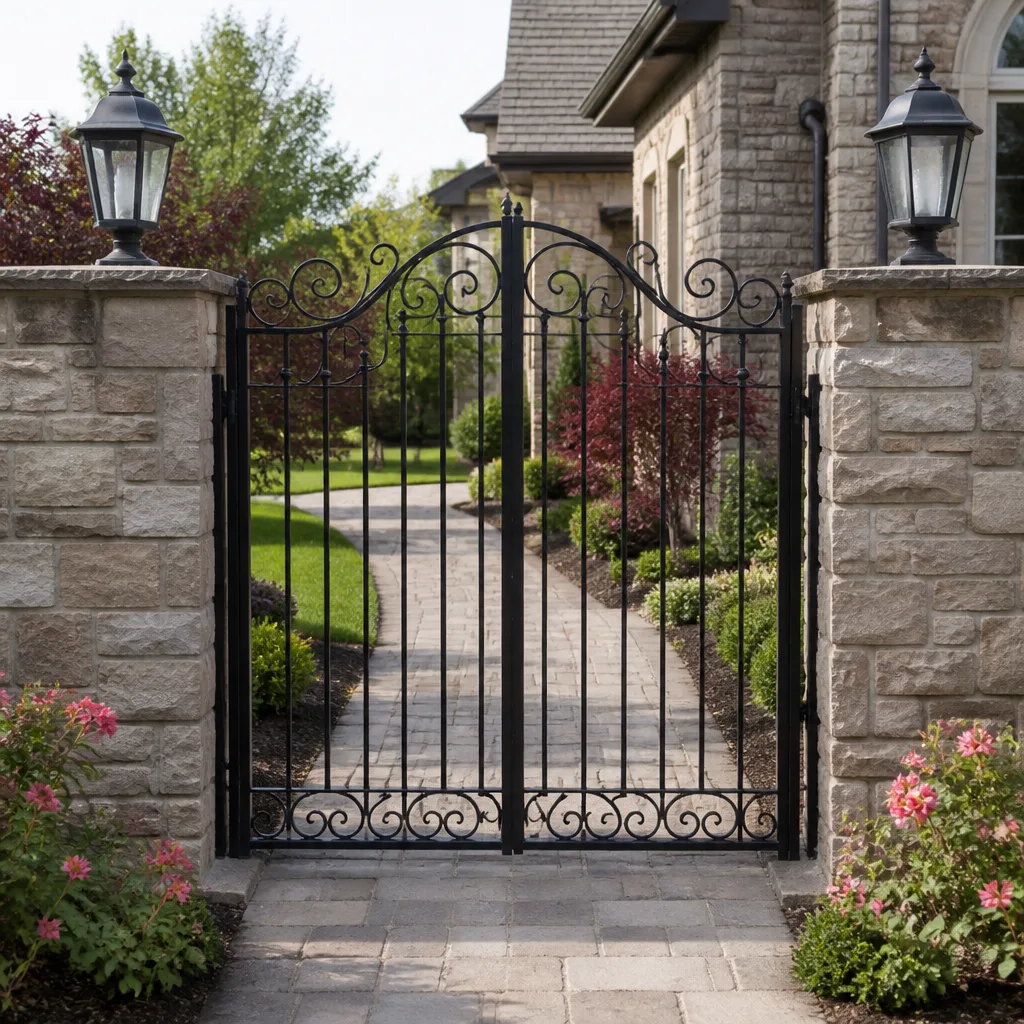 Wrought iron
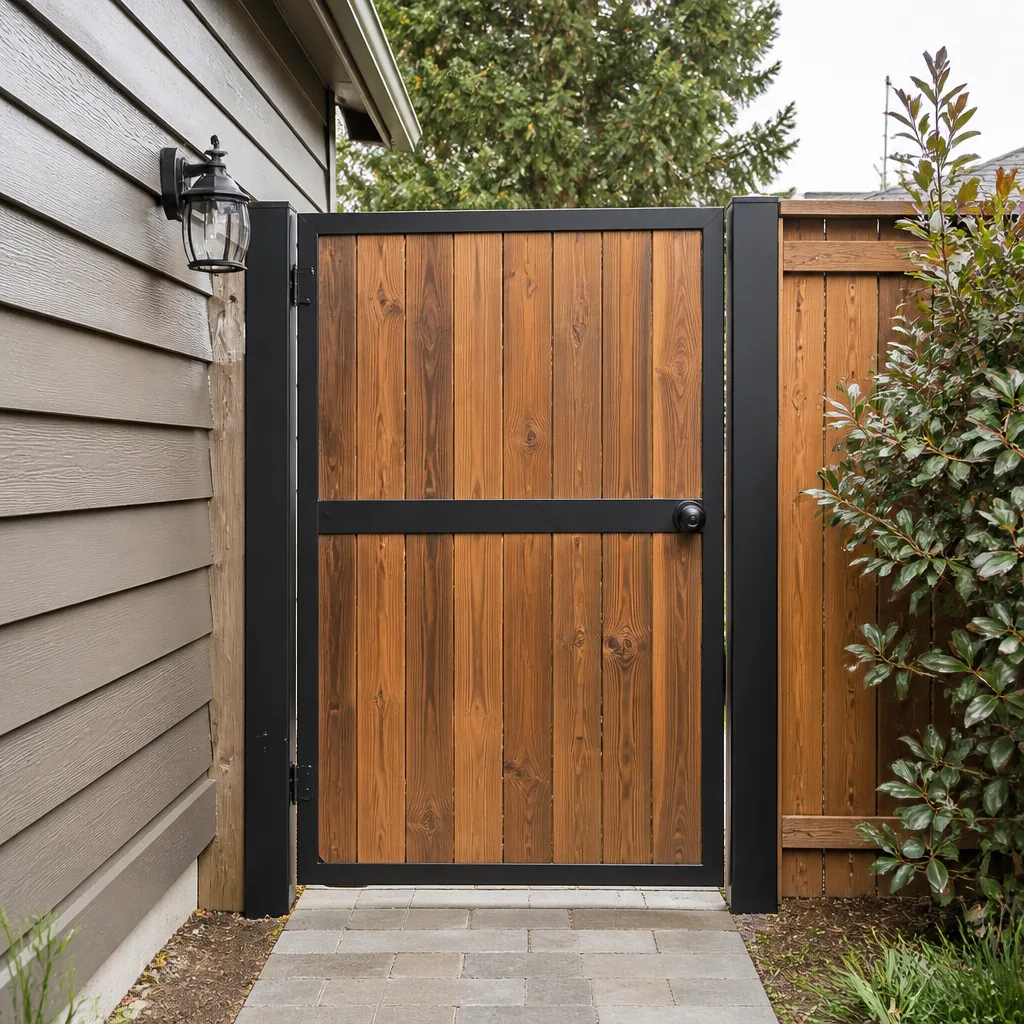 Wood & steel frame
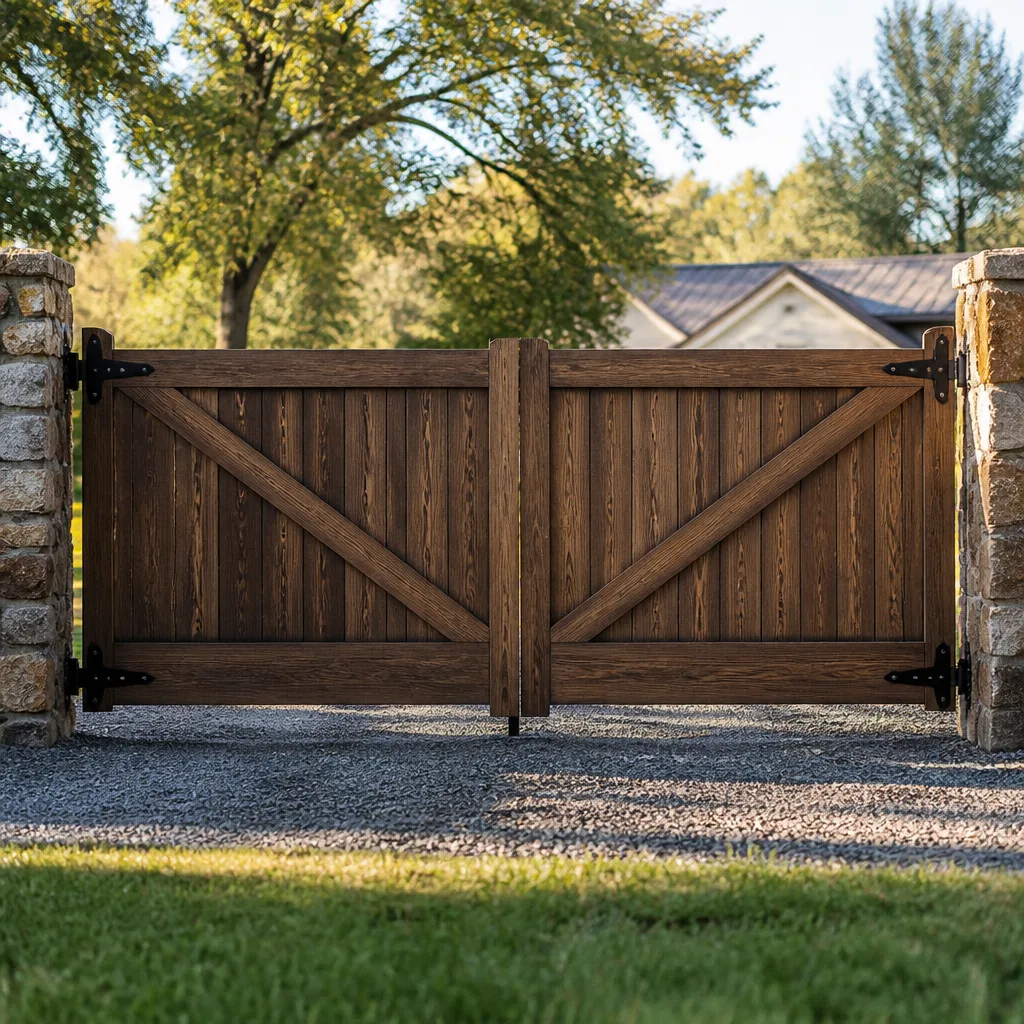 Farm & ranch
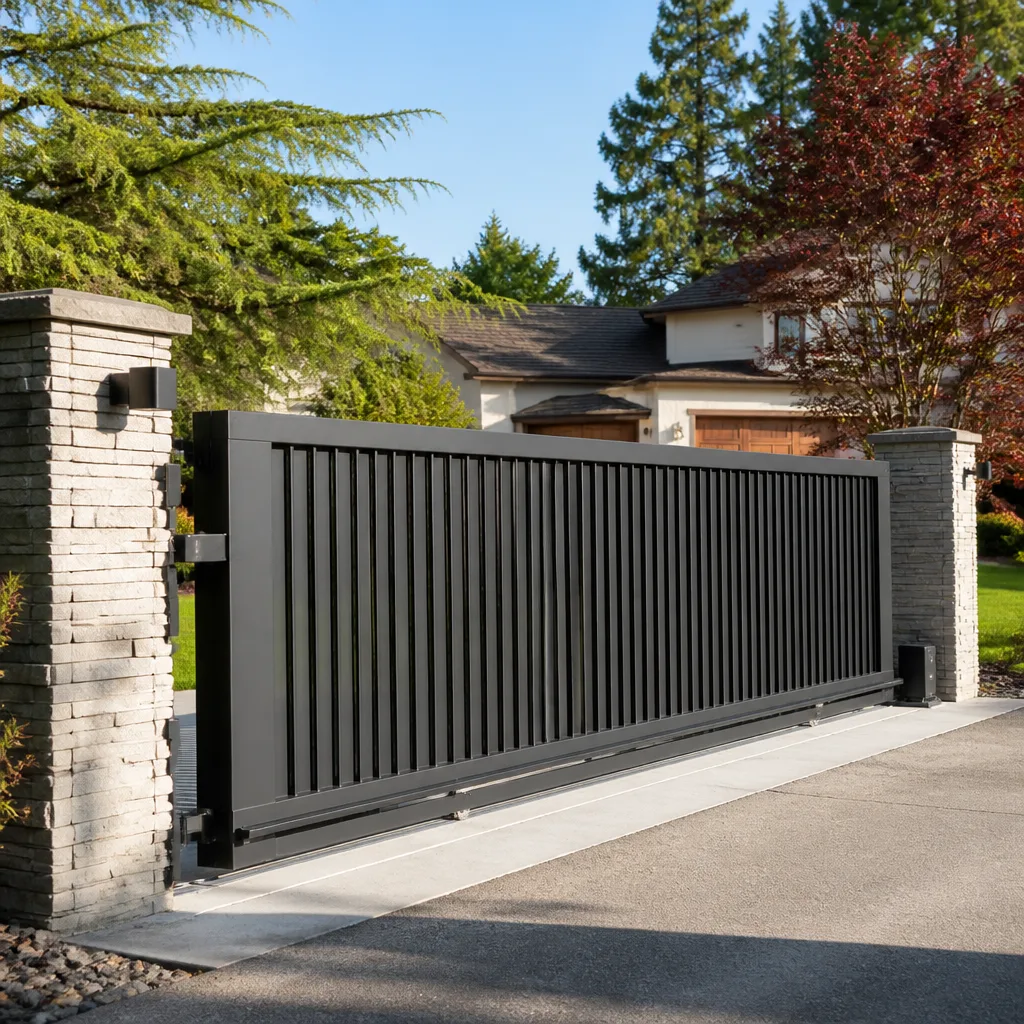 Sliding driveway gates
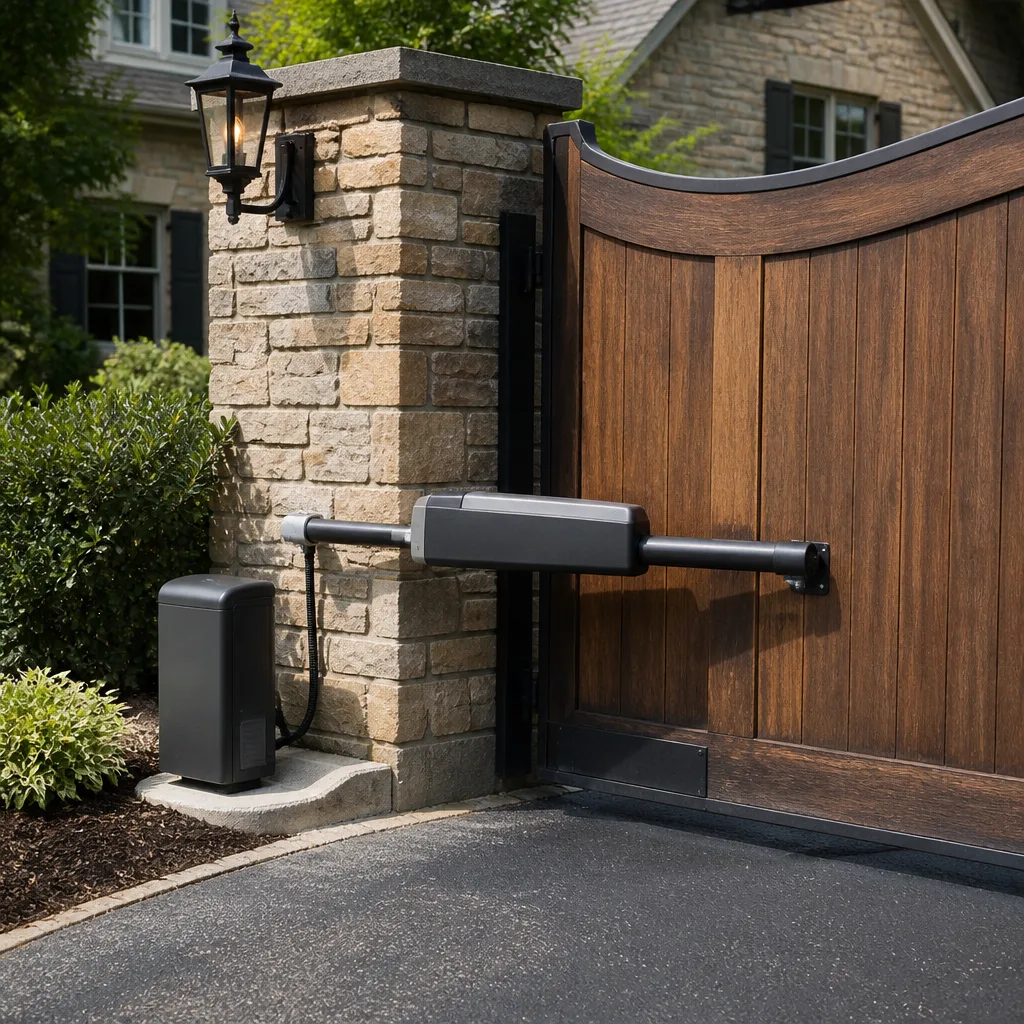 LiftMaster operators
Free on-site gate assessment - hinges, posts, and your LiftMaster or Nice gate operator checked before anything is quoted
The assessment is free and the quote is the invoice.
Get your free estimateDIY vs Professional Gate Repair: The Avondale Homeowner’s Decision Guide
Most gate repair advice splits into two useless camps. One says everything is dangerous, call a pro. The other says grab a screwdriver and save money. Both miss the point. The real question isn’t whether you’re handy enough to work on a gate – it’s which specific task you’re looking at. Some jobs on a driveway gate are genuinely safe for a careful homeowner with the right tools. Others involve stored mechanical energy or live electrical wiring that can hurt you badly. This guide maps the tasks, one at a time, so you know exactly where your hands belong and where they don’t. We’ll walk through what’s safe in Avondale, what isn’t, and how to factor in tools, time, insurance, and warranty before you decide.
Quick Answer
Some gate repairs are genuinely DIY-safe – cleaning sensors, reprogramming a remote, tightening a loose hinge pin, adjusting a limit switch. Others are not worth the risk and may void your coverage: anything involving the operator’s electrical connections, structural welding, or a swing gate’s tensioned spring mechanism. If the failure touches power, structure, or stored energy, call a trained professional. For everything in between, use the task matrix below to decide.
Styles & brands we work with
- Wrought iron
- Wood & steel frame
- Farm & ranch
- Sliding driveway gates
- LiftMaster operators
Table of Contents
- Why “Are You Handy?” Is the Wrong Question
- The Task Matrix: What’s Safe and What Isn’t
- The DIY-Safe Tasks, Tool by Tool
- The Arizona Liability Angle: Coverage and Consequence
- How to Tell You’ve Made It Worse
- The Honest Cost Comparison
- Brand Matters When You Call for Help
- When to Call a Professional
Why “Are You Handy?” Is the Wrong Question
The decision to fix a gate yourself isn’t a personality test. We’ve seen thoughtful, capable homeowners do real damage to a Linear operator because they assumed “handy” meant “ready for anything.” And we’ve seen people pay for a service call on a problem a ten-minute sensor wipe would have solved. The variable that matters is the task, not the person.
Every gate repair falls on a spectrum. At one end: clean a photo-eye lens, reprogram a remote, tighten a hinge. These are safe, reversible, and cheap. At the other end: touch the live wiring inside a control box, weld a cracked hinge bracket, or mess with a tensioned spring on a swing gate. Those are the tasks where a mistake can hurt you or someone else. In between sit the judgment calls – limit switch adjustments, sagging hinges, wheel replacement on a sliding gate – where the right answer depends on your tools, your patience, and whether a mistake would leave your gate stuck.
Avondale homeowners deal with their own specific mix. The desert sun bakes operators and remotes; dust works its way into tracks and photo-eyes; gravel driveways shift and cause wheels to bind. Some of that is a five-minute fix. Some of it isn’t. Sorting your repair into the correct bucket is the whole game.
The Task Matrix: What’s Safe and What Isn’t
Here’s the map. If your problem falls in the first list, you have a reasonable DIY candidate. If it’s in the second, don’t touch it.
Genuinely DIY-Safe
- Cleaning photo-eye sensors – wipe both lenses with a soft cloth. Do this before anything else if the gate reverses or won’t close.
- Reprogramming a remote – pairing a new remote to an operator is a button-press sequence in the manual.
- Replacing a hinge pin – on a manual swing gate, this is a two-wrench job with no stored energy.
- Adjusting a limit switch – if the gate stops short or over-travels, a small turn on the limit screw can fix it. Only with the operator powered down.
- Tightening bolts and brackets – loose gate posts, sagging hangers on a slide gate, rattling brackets.
- Clearing debris from the track – leaves, gravel, and dust jamming a slide gate’s track.
Requires a Trained Professional
- Anything involving live electrical connections – opening the control box to touch wiring is a stop sign. This includes the power run, loop wiring, intercom wiring, and any 120V connection.
- Structural weld repair – a cracked hinge post or a bent track mount needs a welder with structural experience.
- A swing gate’s spring mechanism – the spring that counterbalances a manual swing gate is under heavy tension. It stores enough energy to break bones or worse if it releases unexpectedly. Never attempt to release, replace, or adjust it yourself.
- Motor and actuator replacement – this requires opening the operator, disconnecting power, and matching the right replacement to your unit.
- Control board replacement – diagnosing whether the board, the motor, or a safety loop is at fault takes a technician’s metering and experience.
- Any post replacement or footing work – the foundation of the gate is a structural job.
If your repair lands in the second list, read the section on liability before you do anything else. In Avondale, that’s the part most people skip.
The DIY-Safe Tasks, Tool by Tool
For each task you can reasonably take on, the right tools matter more than your general handiness. Here’s the specific kit and the one mistake that makes each job go wrong.
- Cleaning photo-eye sensors. Tools: a clean, soft cloth and a step stool. Mistake: using a wet or abrasive rag that scratches the lens and dulls the beam.
- Reprogramming a remote. Tools: the operator manual (download it for your model) and a pencil to note the code. Mistake: pressing the learn button and then failing to complete the pairing within the time window, which locks out older remotes on some units.
- Replacing a hinge pin on a manual gate. Tools: an adjustable wrench, a socket set, and a replacement hinge pin sized for your hinge. Mistake: replacing one hinge pin without checking the others – a sagging gate often needs more than one.
- Adjusting a limit switch. Tools: a small flathead screwdriver and the manual. Mistake: adjusting while the operator is powered up, or turning past the safe stop point so the gate reverses or fails to fully close.
- Tightening gate hardware. Tools: a torque wrench or a properly sized socket. Mistake: over-tightening a bolt into a post that’s already split, which worsens the sag rather than fixing it.
- Replacing a slide gate wheel. Tools: a floor jack, a wheel kit matched to your gate, and a socket set. Mistake: lifting the gate without blocking it safely underneath.
- Clearing the track. Tools: a stiff brush and a shop vac. Mistake: ignoring the small stones and gravel that fall off Avondale driveway surfaces and jam the wheel housing – clear the whole track, not just the visible section.
If you have the tools and can follow the manual, most of these are within reach. For everything else, the honest answer is that a professional with brand experience will fix it faster and less expensively than a DIY attempt that goes wrong.
The Arizona Liability Angle: Coverage and Consequence
Here’s the part most homeowners never think about until something breaks. If you touch a live connection inside your gate operator and the gate later injures someone, or a DIY weld fails and a gate panel falls onto a parked vehicle, your homeowner’s insurance may decline the claim because you did unlicensed work on your own property.
In Arizona, work that involves the permanent electrical connection to a gate operator or the structural integrity of a post is considered contractor territory. The specific rules on what requires a licensed contractor are set by your local building department and the Arizona Registrar of Contractors, so check with them for your particular job. But the practical effect for a homeowner is this: if the repair you did yourself later causes damage or injury, you could be the one on the hook.
The calculation is different if you hire a trained professional. Our team installs gates from the ground up, so we know what a code-compliant electrical connection, load-rated hinge, and correctly footed post look like. If a repair we perform fails, we stand behind the work. That’s not just a sales pitch – it’s the reason a trained professional’s invoice includes a warranty clause.
For an Avondale homeowner managing a gate by a pool, a shared driveway, or an HOA-controlled entry, the stakes go up. If someone gets hurt on a gate you DIY’d, the insurance question alone could dwarf what you saved on the repair.
How to Tell You’ve Made It Worse
You tried a fix and now the gate is worse. It happens. Here’s how to know, and what to do before calling us.
- The gate reverses more often than before you started. That’s usually a photo-eye misalignment or a safety sensor that’s now blocked by something you introduced.
- The operator runs but the gate doesn’t move. The motor’s alive but the gate’s disengaged – a manual release might have been moved without being re-engaged.
- The gate stops short or overshoots. You’ve moved the limit switch past a safe point, and it needs to be reset.
- A new noise or grinding. Over-tightened hardware or a bent bracket is the usual culprit.
- Nothing happens at all. A blown fuse or tripped breaker inside the operator, or a control board that’s gone into fault.
Before you call a technician from Gate Repair Avondale, take a few quick notes on what you did, in what order, and what changed. Don’t keep going back in. Don’t open the operator box again, and don’t touch the spring on a manual swing gate. Leave the gate in the safest position (fully open or fully closed, depending on your yard) and keep pets and kids away from it until a pro arrives. If your gate operator is one of the brand-name systems we work on – a Linear or a Viking among them – tell the technician the model when you call.
Our technicians have up to 12 years of experience, so a quick description of what you tried usually speeds up the diagnosis considerably. Full electric gate repair is where the majority of “I made it worse” calls land.
The Honest Cost Comparison
DIY usually wins on paper. In practice, the arithmetic is more interesting.
The Parts Markup Reality
An operator’s control board from retail runs more than what a service company pays from its supplier, and some brands don’t sell parts to the public at all. That’s the retail-versus-wholesale gap. You also pay for shipping, and if the part is wrong you wait another week. In our trade, we know the fit before we order – that’s a real value we can’t ignore in the comparison.
The Warranty Question
When a trained professional replaces a component or fixes a gate, our work is covered by a warranty. When you replace it yourself, the manufacturer’s warranty may not cover a part you installed outside spec, and no warranty covers you for the labor. A second repair on the same component is entirely on you.
Your Hourly Rate
Here’s the part most people shortchange: your own time. If a task takes a trained technician 45 minutes, plan on two to three hours of your own time plus a hardware-store run. Multiply that by what your weekend is actually worth, and DIY’s savings shrink. For some jobs, they disappear.
What It Usually Comes Down To
DIY earns its keep on small, safe, single-variable fixes. Once a repair involves diagnosis, structural judgment, or the electrical system, the professional usually wins on both cost and outcome. If you’re ready for a written price, call (866) 361-9597 and we’ll walk you through it. Gate repair estimates are free and the written estimate sets the final price.
Brand Matters When You Call for Help
When you call a general handyman to fix a gate operator, he’s seeing the system for the first time. When you call a specialist, the model and fault pattern are familiar. That’s the difference brand familiarity makes on the invoice.
We work on nine major gate brands – among them Linear and Viking for residential, DoorKing for multi-unit access, and Ghost Controls for the budget-friendly DIY-installed systems common in Avondale backyards. On a Linear operator with a board fault, the technician already knows which test points to meter. On a DoorKing entry system in a shared HOA driveway, we know what the loop and intercom wiring look like before we open the cabinet. A failed operator on a DoorKing multi-tenant system is not a job to be figuring out for the first time.
Brand familiarity also matters for parts. When you need a control board for a specific Viking or Linear unit, a company that services that brand has the supplier relationship and knows the model compatibility. If you’re the original DIY installer of a Ghost Controls unit, that doesn’t disqualify you from calling help – we work with these systems every week.
If your gate is a brand outside our roster, tell us when you call. If we can’t help, we’ll say so. That’s better for you than a false yes.
When to Call a Professional
Call a pro when the failure touches electrical connections, a structural weld, a tensioned spring, or the operator’s control board. Call when you’ve attempted a fix and it made things worse. Call when the gate poses a safety risk to kids, pets, or vehicles if it fails again. And call when the gate is the sole entry to a fenced yard or HOA-controlled driveway and downtime matters.
Gate Repair Avondale provides gate repair, electric gate repair, and gate installation across Avondale, and we know the local housing. Fast dispatch runs from 7am to 7pm, Sunday through Friday, and we answer 24/7. If your call comes outside those hours, we’ll book you into the next opening. Estimates are free and the written price is set before work begins.
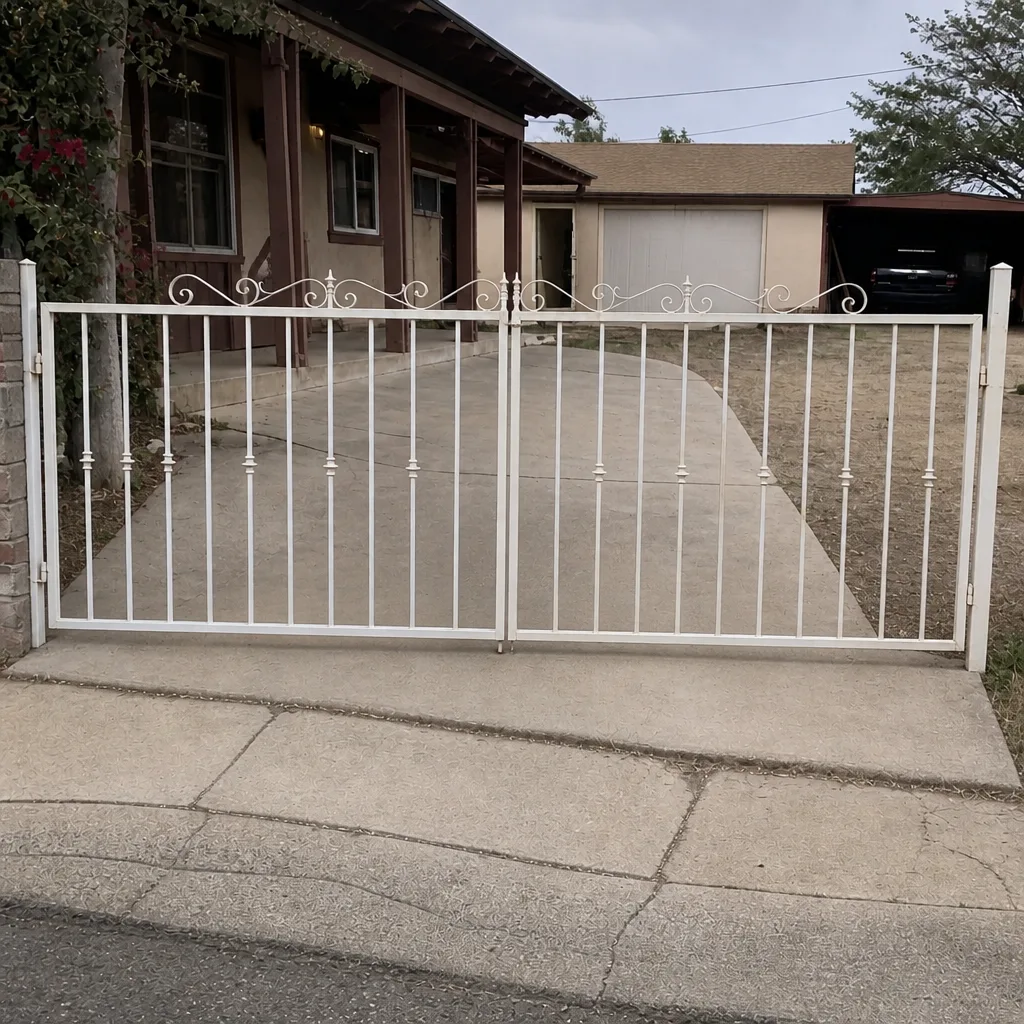
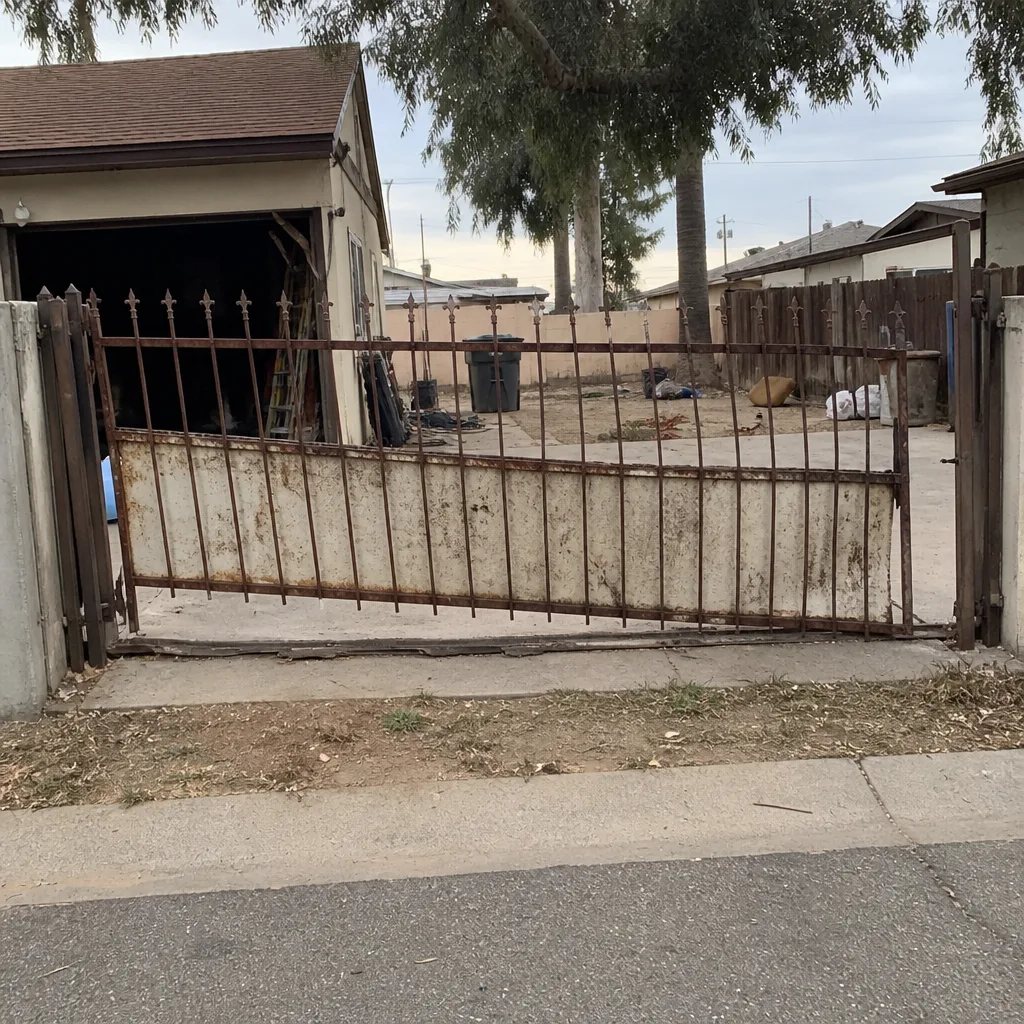
See the difference
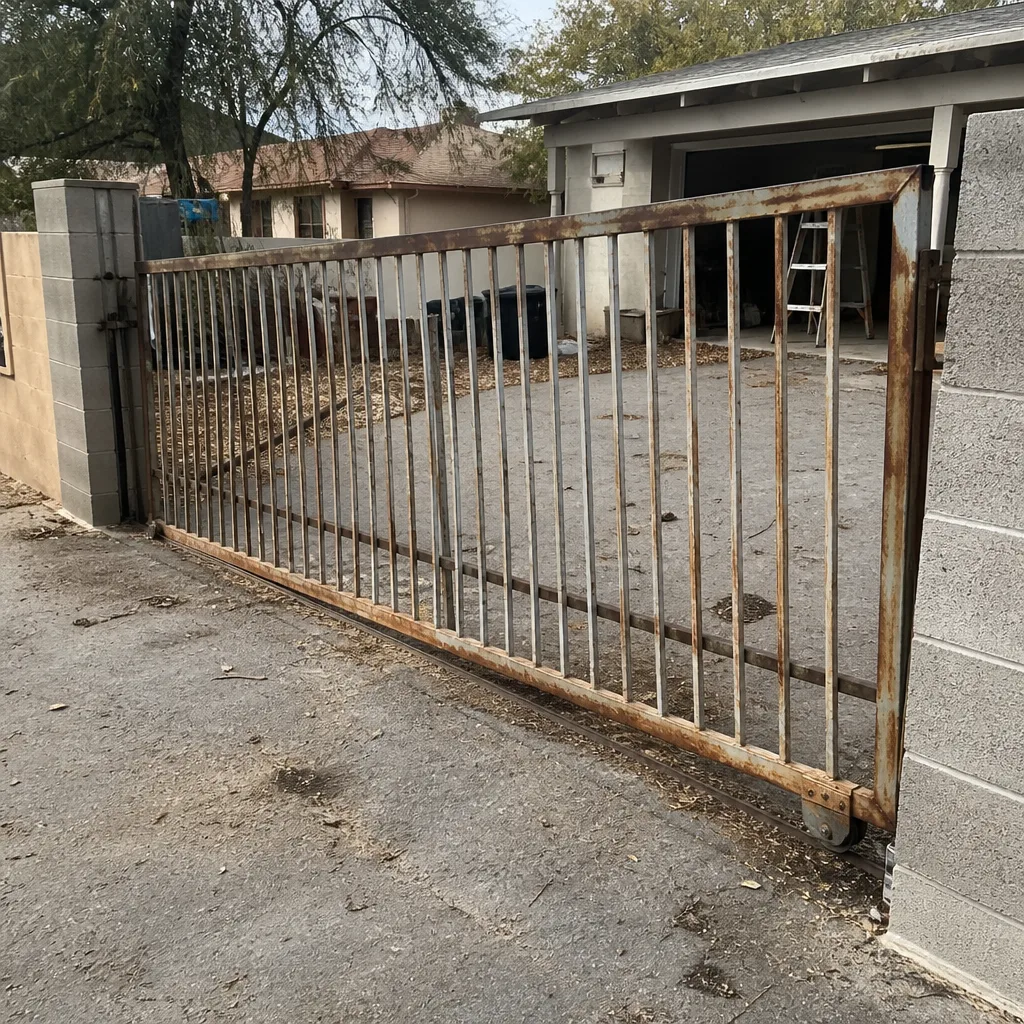 Before
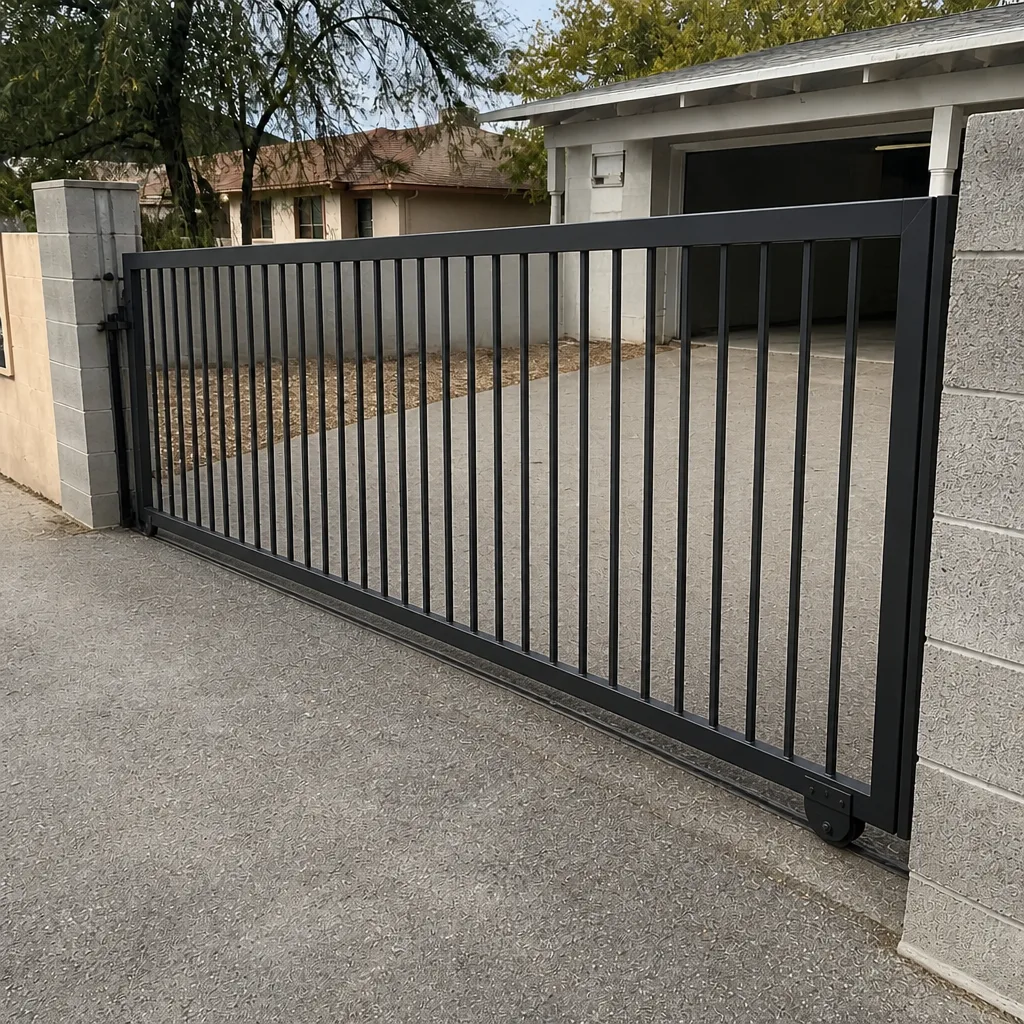 After
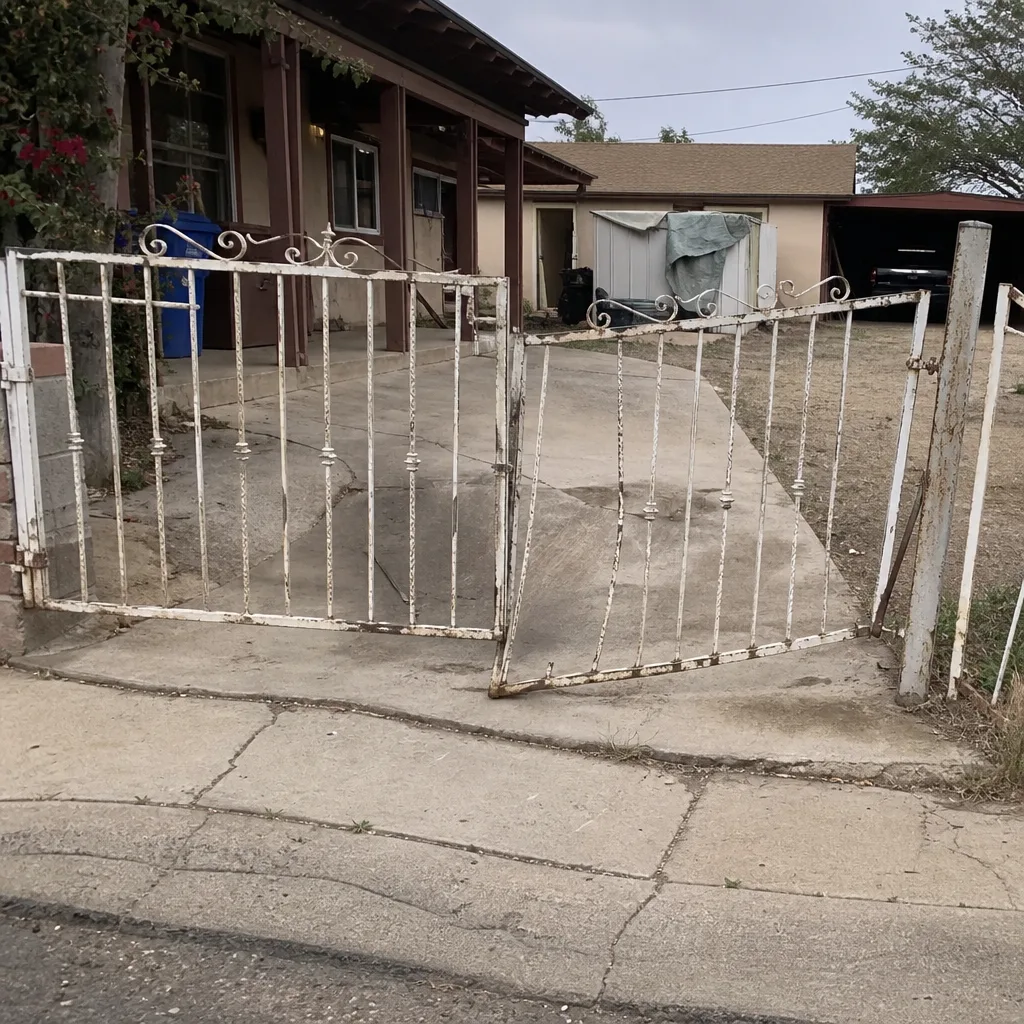 Before
 After
 Before
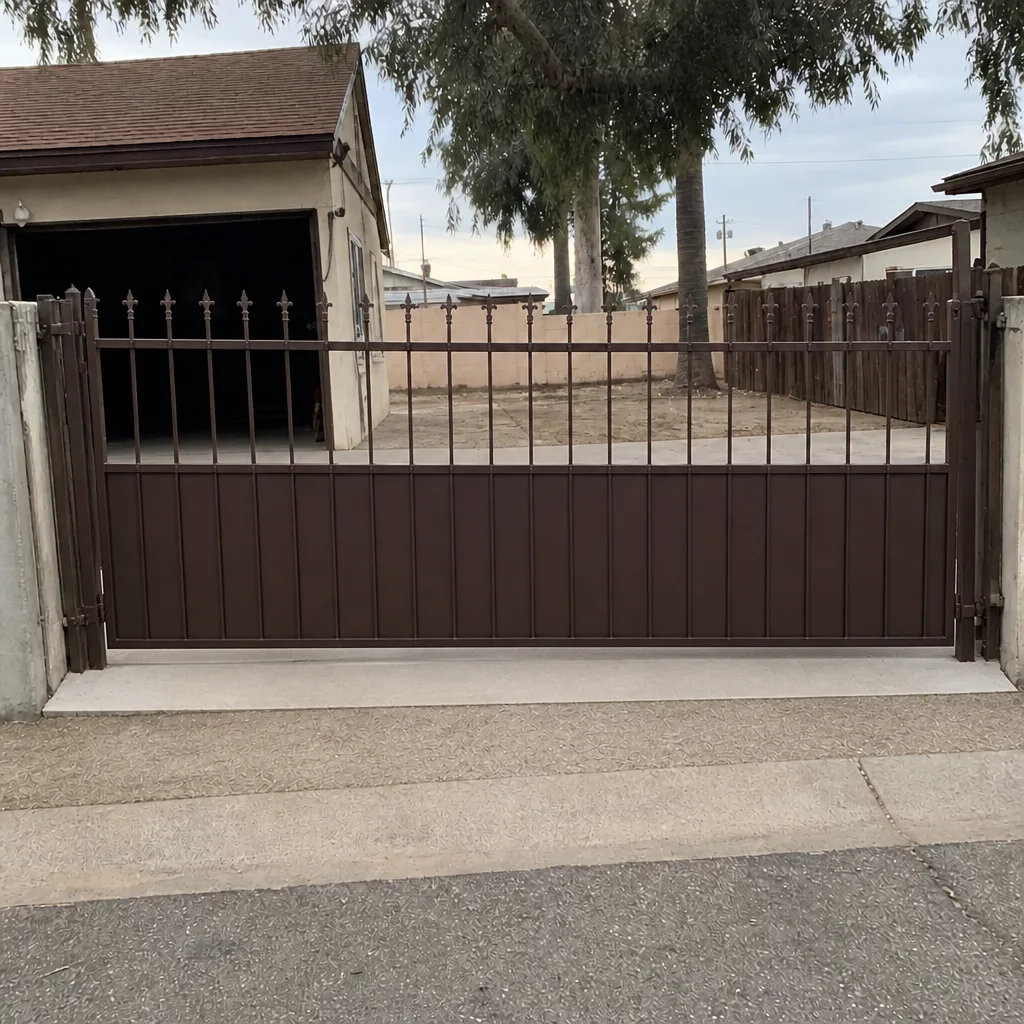 After
Common Mistakes to Avoid
- Trying to fix the spring on a swing gate. That spring stores serious energy. Releasing it without the right tool can cause injury. Leave it to a trained professional and don’t loosen anything attached to it.
- Opening the operator cabinet to “check the wiring.” The electrical connection inside is live. A visual check with your eyes is fine; a visual check with a screwdriver is not.
- Assuming the sensor is broken when it’s just dirty. A dusty photo-eye in Avondale’s monsoon season is a common false alarm. Wipe the lens before ordering a replacement.
- Buying a replacement operator before diagnosing what’s wrong. If the motor runs but the gate doesn’t, the problem may be a broken armature or a worn hinge, not the operator. Don’t buy parts before you know the fault.
- DIY-ing a structural weld. A cracked hinge post or a bent track mount needs a structurally rated fix. A patch with a hardware-store bracket may look fine and then fail, with a gate panel hitting whatever’s underneath it.
- Skipping the note-taking when a repair goes sideways. When you call a technician, “what happened and when” is more useful than a vague description. Write it down before you call.
- Forgetting the HOA or shared-access angle. If your gate is on a common driveway or controlled by a multi-tenant system, call the property manager before paying for a repair yourself. Some fixes sit with the association, not the homeowner.
Frequently Asked Questions
Not safely, no. The board sits inside the operator cabinet where the line-voltage electrical connection lives, and a mis-wired board can cause a short or a safety fault. We recommend a trained technician, and the replacement part runs through our supplier at a lower cost than retail. For a written estimate on your specific model, call (866) 361-9597 – estimates are free.
Yes, that’s genuinely safe and often the fix. Wipe both lenses with a soft cloth and check that neither is blocked by dust, leaves, or gravel kicked up by a driveway. If a clean sensor still reverses the gate, that’s a real fault and worth a professional look.
It may not be covered by your homeowner’s insurance. If you did the work yourself on a component that requires a licensed contractor – the electrical run to the operator, a structural post, or a gate-mounted installation – the insurer may decline the claim. Hiring a licensed professional protects you in the event something goes wrong. Check with your insurer for your specific policy.
There’s no single answer without looking at the system. Common cases: a board swap fixes a unit that runs but won’t respond correctly, a motor replacement is needed when the unit hums without moving and the armature is worn, and a full operator replacement is the right call when the unit is old enough that no replacement parts are available. A trained technician diagnoses by testing, not guessing. Call (866) 361-9597 and we’ll give you a written price before any work starts.
Leave it where it is and keep pets and small children away. Don’t force the gate closed by hand – that can damage the armature or the track. Don’t open the operator cabinet. If you can, note what happened and when, and tell the technician when they arrive. We can usually walk you through a safe temporary measure over the phone; call (866) 361-9597, we answer 24/7.
Likely yes. We service nine major brands – among them Linear, Viking, Ghost Controls, and DoorKing – which covers most residential and HOA-grade systems we see in Avondale. If your unit’s brand is outside our roster, tell us when you call and we’ll say honestly whether we can help.
The Bottom Line
DIY gate repair isn’t a yes-or-no question. It’s a task-by-task one. Sensor cleaning, remote pairing, hinge tightening, and slide-gate wheel swaps are genuinely doable. Anything involving live electrical wiring, structural welds, or a tensioned swing-gate spring is not. The cost comparison favors DIY only on the first group; on anything irreversible or structural, the professional wins on price, warranty, and the safety of your family, your gate, and your insurance coverage. Read the task matrix, match your job to the list, and if it’s in the wrong column, don’t touch it. That’s the whole guide.
If your gate needs attention and you’re not sure which column it belongs in, call us at (866) 361-9597 for a free estimate. We answer 24/7, with fast dispatch from 7am to 7pm, Sunday through Friday. We’ll tell you if a repair is a job a homeowner can take on, and if it’s not, we’ll give you the written price before any work starts. Gate down, security down – so let’s get it sorted. We work locally across Avondale, and you can always find our full scope on the gate repair Avondale page. Nine brands. One call.
Written by the team at Gate Repair Avondale.