
Last updated November 15, 2026
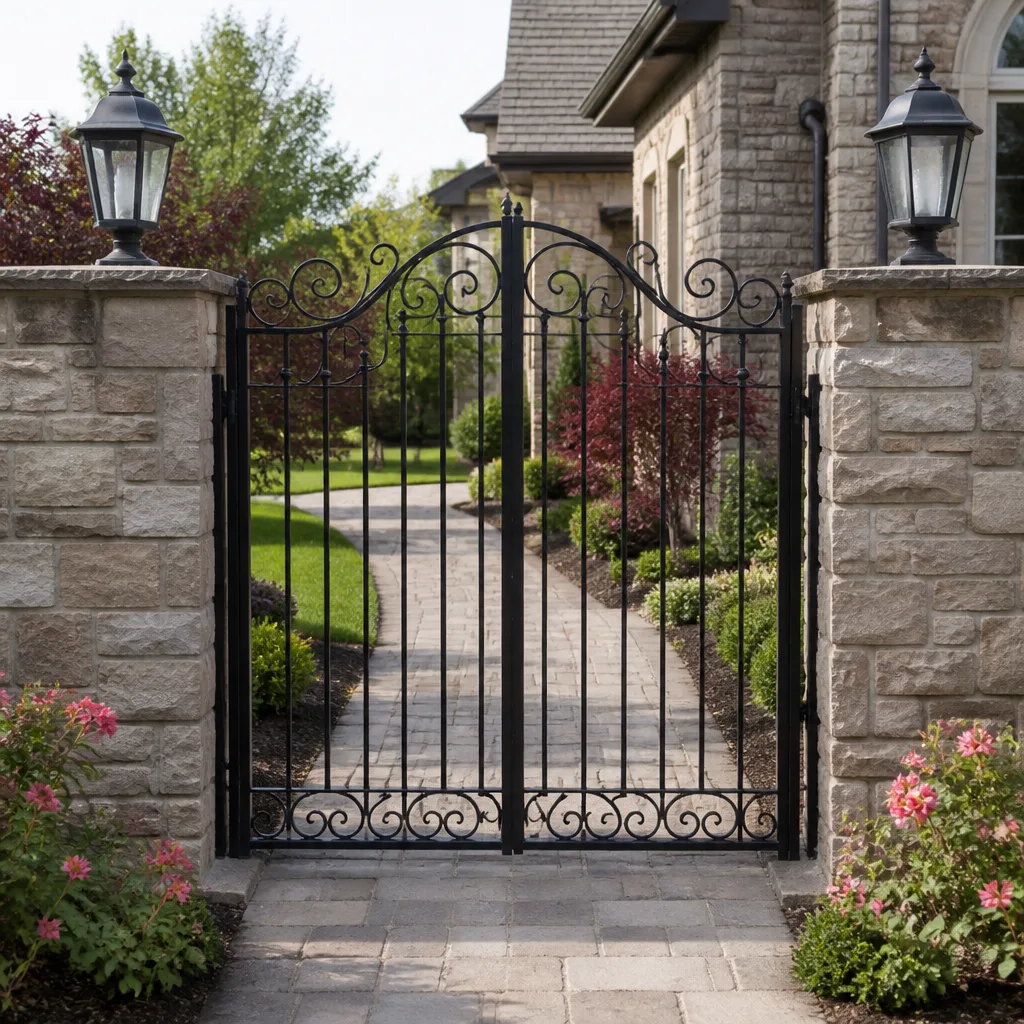 Wrought iron
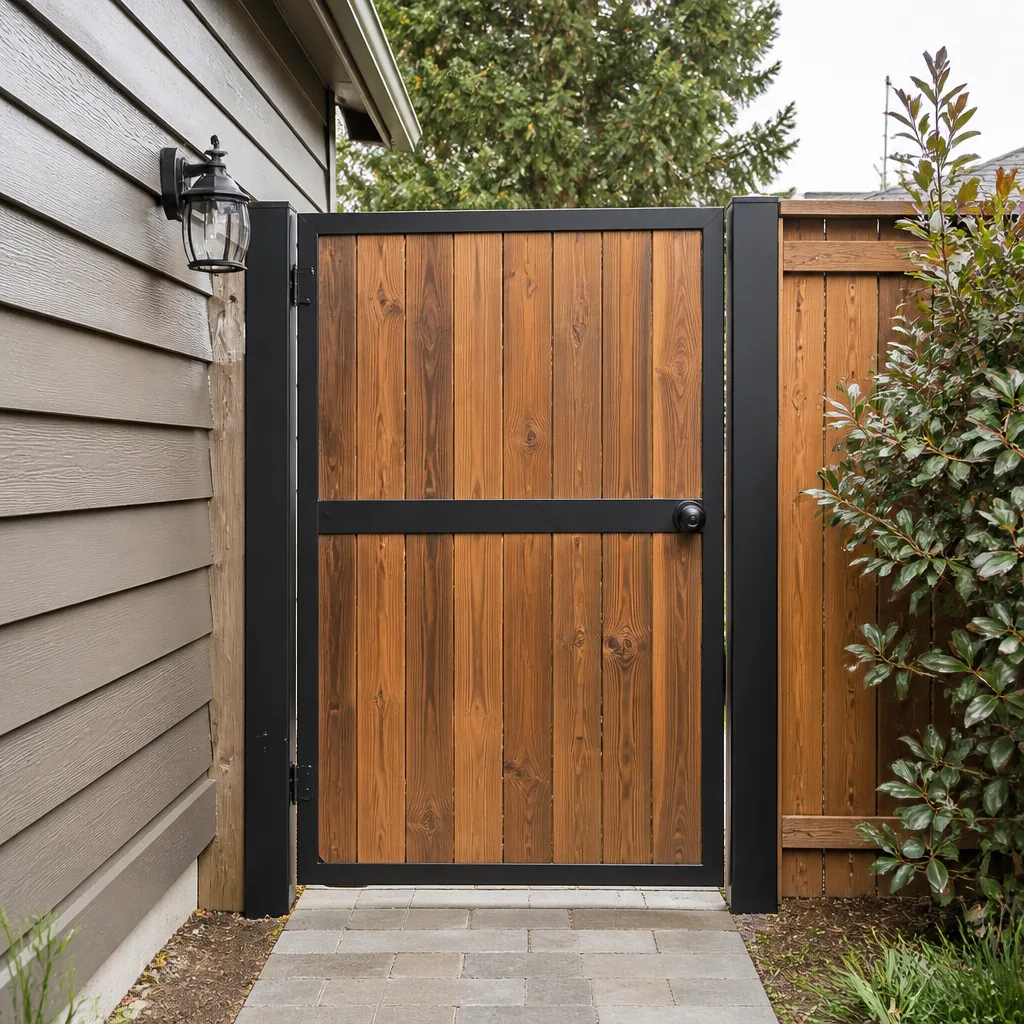 Wood & steel frame
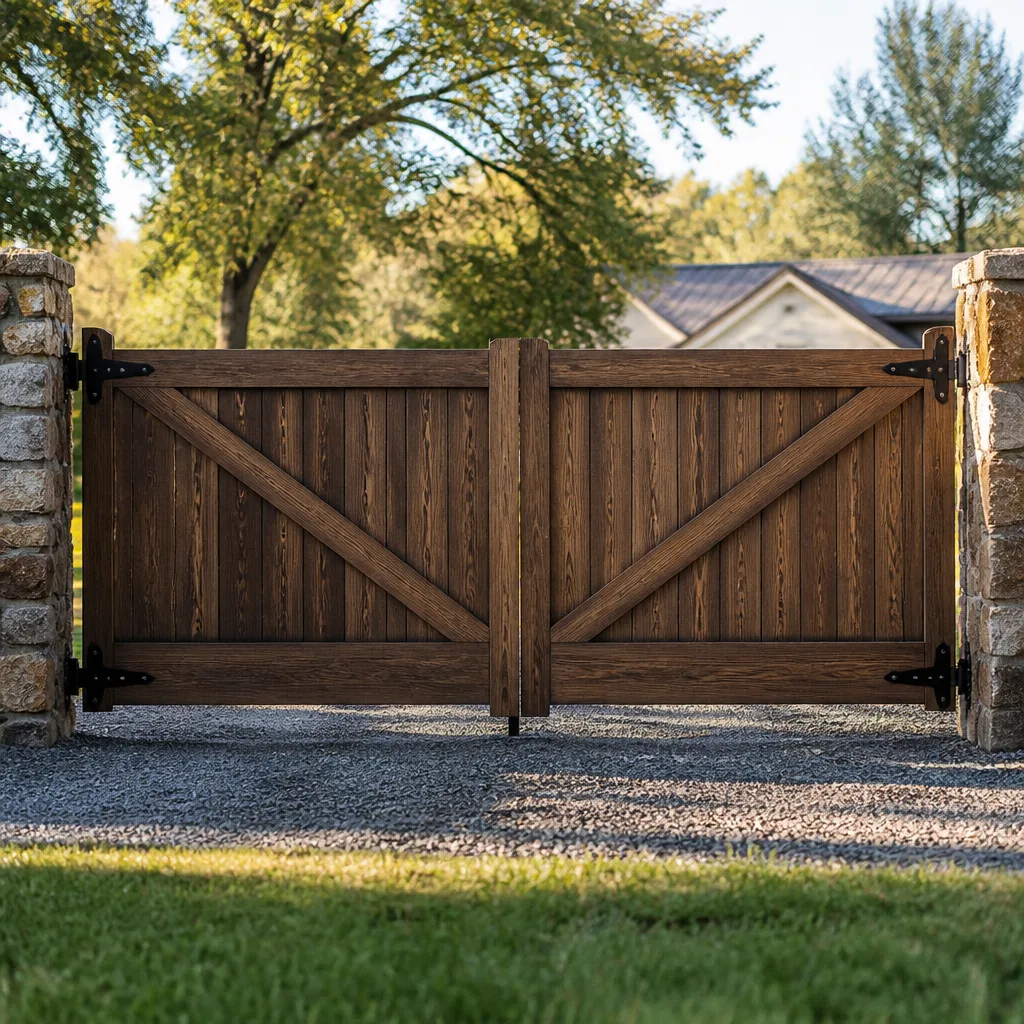 Farm & ranch
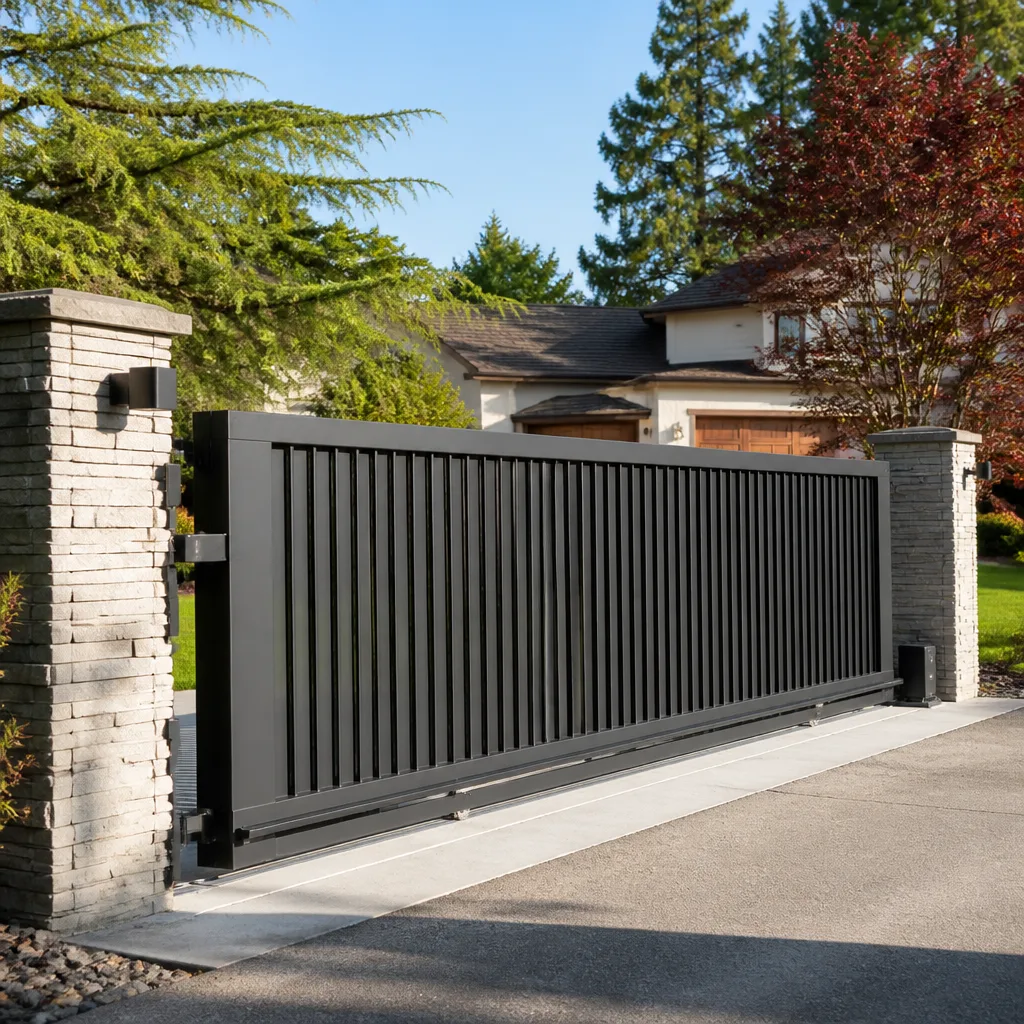 Sliding driveway gates
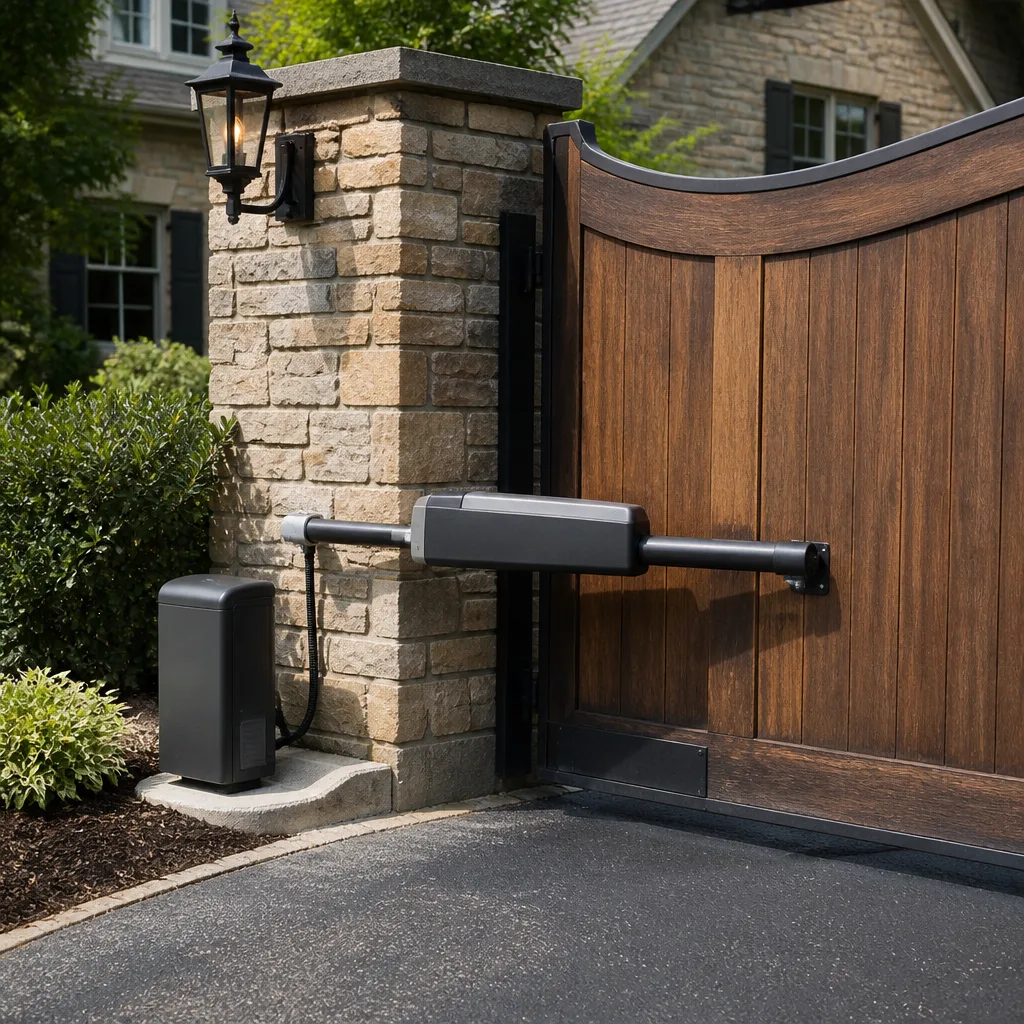 LiftMaster operators
Free on-site gate assessment - hinges, posts, and your LiftMaster or Nice gate operator checked before anything is quoted
The assessment is free and the quote is the invoice.
Get your free estimateThe Complete Guide to Gate Repair in Avondale
Most people assume a gate that stops working needs a new motor. In our experience, that’s rarely the case. A gate that reverses halfway open is usually fighting a miscalibrated limit switch or an obstruction sensor coated in Avondale dust, not a dead operator. Replace the motor anyway and you’ve paid for a part that was never the problem while the real fault keeps triggering. Nearly every failure we see traces back to one of five root causes, and telling them apart is the whole game. This guide maps each failure mode to its actual cause so you know what you’re dealing with before anyone picks up a wrench.
Quick Answer
Gate repair in Avondale starts with diagnosis, not parts. The five root causes behind almost every gate failure are structural, electrical, mechanical, programming, and environmental – and the fix depends on identifying which one you actually have. A trained technician can usually tell them apart by walking the system in a set order, which is exactly why the same symptom can have six different causes. If you want the short version: describe the symptom honestly, expect a real diagnostic step, and get a written price before any work begins.
Styles & brands we work with
- Wrought iron
- Wood & steel frame
- Farm & ranch
- Sliding driveway gates
- LiftMaster operators
Table of Contents
- The Five Root Causes of Gate Failure
- Matching the Symptom to the Cause
- How Avondale Soil and Summer Heat Wear Gates Down
- Why “Gate Won’t Close” Has Six Different Causes
- The Diagnostic Sequence a Specialist Runs First
- Repair or Replace? How to Decide
- What Brand You Have Matters
- What Gate Repair Typically Costs in Avondale
The Five Root Causes of Gate Failure
Every gate problem we diagnose lands in one of five buckets. Knowing which bucket you’re in tells you who to call and roughly what to expect. This is the framework that keeps a repair honest.
1. Structural. The gate itself – panels, hinges, posts, frames, rollers, tracks. A gate that sags, drags, or won’t stay level is usually structural. Posts set in Avondale’s caliche can shift or loosen over time, and heavy panels put steady stress on hinges and the frame.
2. Electrical. Power supply, wiring, control boards, loop detectors, safety sensors, intercom wiring, and the operator’s connection to the power run. Intermittent behavior, a gate that works sometimes but not others, or one that’s completely dead points here.
3. Mechanical. The moving guts of the operator and gate – gears, chains, belts, actuators, the motor itself, and the hardware that transfers force from the operator to the gate. Grinding, slipping, or a motor that runs but doesn’t move the gate are mechanical symptoms.
4. Programming. Limit switches, travel settings, remote pairing, access codes, photo-eye alignment logic. A gate that reverses, stops at the wrong point, or ignores a remote is often a settings problem, not a broken part.
5. Environmental. The local conditions that accelerate everything above. In Avondale that means heat and dust – which we’ll get to shortly, because they change which parts fail first.
Most gate problems are a mix of two categories that feed each other. A structural sag strains the operator, which then reads as a mechanical fault. A dust-clogged sensor triggers a programming safety feature. Untangling that mix is what a good diagnostic does.
Matching the Symptom to the Cause
The fastest way to a real fix is describing what your gate actually does. Here’s how the common symptoms line up against the five causes. This won’t replace an on-site look, but it tells you what kind of problem you’re likely facing.
- Gate reverses halfway open. Programming or environmental – a limit switch out of calibration or a dirty obstruction sensor. Rarely the motor.
- Gate won’t move at all. Electrical or mechanical – lost power, a tripped control board, or a seized operator.
- Motor hums but gate doesn’t move. Mechanical – a broken gear, slipping chain, or failed actuator.
- Gate drags or sags. Structural – hinges, posts, rollers, or track alignment.
- Gate works from the keypad but not the remote. Programming – pairing, receiver, or battery.
- Gate reverses as soon as it meets resistance. Electrical or programming – safety sensors tripped or misaligned.
- Operator runs but stops short. Programming – travel limits need resetting.
- Grinding or squealing noise. Mechanical – worn moving parts that need attention before they seize.
Notice how many of these are programming or environmental. In warm, dusty climates like Avondale’s, sensors and limits go out of adjustment faster than the operator ever wears out. Swapping the motor on a sensor problem is the most common oversell we see.
How Avondale Soil and Summer Heat Wear Gates Down
Avondale’s climate writes its own maintenance schedule. Two forces do most of the damage here: the soil and the summer heat. Neither is exotic, but together they produce failure patterns you won’t see in milder places.
The caliche soil. Caliche is the hard, cemented layer common across the desert Southwest, and it makes post setting a real job. Posts that aren’t given proper footing depth and a solid base can loosen or shift over time, which throws the gate out of square. An out-of-square gate drags, binds, and strains the operator – so a post problem shows up looking like a motor problem. When we install a new gate, getting the footings right is the first line of defense. When we repair a gate, we check the posts before we touch the operator.
The summer heat. Long stretches of extreme heat punish certain components harder than others. In our experience these wear fastest in Avondale:
- Seals and bushings – heat dries and cracks rubber and plastic parts that keep dust and grit out.
- Lubricants – heat thins them and dust clings to whatever’s left, turning grease into grinding paste.
- Control board electronics – heat ages solder joints and components faster in an operator box sitting in full sun.
- Batteries – backup batteries and remote batteries fade fast in sustained high heat.
- Safety sensors and photo-eyes – dust coats the lenses, and heat warps the alignment hardware that holds them aimed.
A gate that spends the afternoon baking in direct sun runs hotter than the same gate in shade. If you can shade the operator housing or give it airflow, you’ll extend its life. Small thing, real payoff.
Why “Gate Won’t Close” Has Six Different Causes
Here’s where generalist guessing gets expensive. “It won’t close” is a symptom, not a diagnosis. Depending on the gate type and the operator brand, that one sentence could mean six different things – and they need six different fixes.
- A misaligned or dirty safety sensor. The gate thinks something’s in the way and refuses to close. Dust on the lens or a knocked sensor does this constantly in Avondale.
- A reversed or faulty limit switch. The operator’s travel setting is off, so it believes the gate is already closed and stops short.
- A structural obstruction. The gate physically can’t close because it’s out of square, dragging on the ground, or off its track.
- A failed control board. The logic that commands the close cycle has failed, so the motor never gets the signal.
- A loop detector or intercom fault. A vehicle loop that won’t clear, or an intercom holding the gate in a safety state, blocks closing on commercial and access-controlled systems.
- A programming or access-control lockout. The system is holding the gate open by design – a timer, a hold-open setting, or an access state someone didn’t know was active.
Same symptom, six causes. On the residential side with an operator like an electric gate repair call, it’s often sensors or limits. On a commercial system with a BFT or FAAC operator, loop and intercom faults climb up the list fast. Diagnosis order is what makes the difference between a quick adjustment and a wrong-part replacement.
The Diagnostic Sequence a Specialist Runs First
Before we touch a single part, we run the same ordered check – every time. Skipping steps is how homeowners get sold a motor they don’t need. Here’s the sequence, so you know what a proper diagnostic looks like.
- Listen to the symptom. Confirm exactly what the gate does and when. Intermittent is a different problem than dead or consistent.
- Test power and supply. Confirm the operator has power and the control board is alive before going further.
- Walk the gate by hand. Disengage the operator and move the gate manually. If it binds or drags, the problem is structural, and no motor will fix it.
- Check structure and alignment. Inspect posts, hinges, rollers, track, and frame for sag, shift, or wear.
- Inspect the safety sensors and loops. Look for dust, misalignment, and wiring faults on photo-eyes and loop detectors.
- Verify limits and travel settings. Confirm the operator’s limit switches and travel match the actual gate position.
- Test the operator under load. With the gate free and the structure sound, confirm the motor, gears, and force transfer work correctly.
- Check access and programming. Remotes, keypads, receivers, and intercom integration get tested last because they’re logic-level.
By the time we reach the operator, we’ve already ruled out the cheaper causes. That sequence is why “installed right, repaired right” is more than a slogan. Technicians who install gates from the ground up understand load, alignment, and settings at a build level, and they can spot a misdiagnosed symptom before it turns into a parts bill. When we’ve been called out after a failed repair elsewhere, it’s almost always a step that got skipped early.
Repair or Replace? How to Decide
Not every gate is worth saving, and not every gate should be replaced. The honest call comes down to whether the damage is isolated or cumulative. Here’s how we think about it.
Repair is the smarter spend when:
- The failure is a single, isolated component – one sensor, one limit switch, one control board, one actuator.
- The structure is sound. Solid posts, straight frame, hinges and track in good shape.
- The operator is a brand we can still source parts for – the parts supply line matters more than the age.
- One or two wear items are failing, and the rest of the system tests healthy.
Replacement starts to make sense when:
- Multiple failures hit at once – operator, sensors, and structural wear all at the same time.
- The structure has shifted or corroded past the point of a clean alignment fix.
- Parts for the existing operator are no longer available, so a repair is temporary at best.
- Safety features can’t be brought up to a sound working state on the current system.
A repair that extends a gate’s life is one that addresses the actual root cause and leaves the rest of the system healthy. Cumulative damage is the sign that each fix will just be followed by another. We tell people plainly which side of that line they’re on. The written estimate sets the final price either way, and it’s quoted before any work starts.
What Brand You Have Matters
The brand on your operator changes both the likely failure and where parts come from. A single-brand dealer will always steer you toward their product. A generalist won’t know which failure modes belong to which brand. We work on the brand you already have, which means we diagnose the system in front of us instead of replacing it to match a product line.
We’re factory-familiar with nine major brands across residential, commercial, and estate-grade systems: LiftMaster, FAAC, BFT, Linear, Viking, Ghost Controls, DoorKing, Elite, and Mighty Mule. That range matters on the ground. A budget residential operator like a Mighty Mule or Ghost Controls fails differently than a heavy-duty commercial system from FAAC, BFT, or DoorKing, and the same “won’t close” symptom has a different likely cause depending on which one is on your posts.
Two brands that come up often in Avondale:
- Linear – common on residential and light commercial swing and slide gates. Limit and sensor issues are frequent, and the fix is usually a setting, not a part.
- Viking – popular on residential and access-controlled entries. Control board logic and sensor alignment show up as intermittent faults.
Knowing the brand before we arrive is why we ask for a quick photo of the operator nameplate when you call. It’s a fast way to show up already ahead of the diagnosis.
What Gate Repair Typically Costs in Avondale
Repair cost depends on which of the five root causes you actually have, and that’s why diagnosis comes first. Here’s a general guide to how the typical cost ranges break down by type of job. These are estimates only – the written estimate you get after we look at your gate sets the real price, and that price is agreed before any work begins.
- Sensor or limit adjustment – the lowest-cost bracket. A dirty photo-eye, misaligned sensor, or a travel limit reset. The most common fix we see, and almost always cheaper than a part.
- Wiring and electrical repair – mid bracket. Faulty sensor wiring, loop detector faults, or supply problems. The cost depends on how much wiring has to be traced and replaced.
- Mechanical repair – mid to upper bracket. Broken gears, worn chains, failed actuators, or seized moving parts that have to be opened up.
- Control board or operator repair – upper bracket. Board replacement or operator-level repair on the more complex commercial systems.
- Structural repair – varies widely. Hinge replacement, post work, track, and frame alignment depending on the gate.
A good rule: the further up the root-cause list from sensor and settings toward structure and operator, the more the job costs. That’s another reason the diagnostic sequence earns its keep. Spending the modest amount to diagnose the actual cause beats spending a large amount on the wrong repair. Call (866) 361-9597 for an exact quote – estimates are free.
Common Mistakes to Avoid
- Replacing the motor for a sensor problem. The single most common oversell we see. A reversing gate is usually a limit or obstruction sensor, not a dead operator. Swap the motor and the real fault keeps firing.
- Ignoring the posts. In Avondale’s caliche, a loosened or shifted post throws the whole gate out of square. Fix the operator first and you’re back to a dragging gate in weeks.
- Letting dust build on the sensors. Dust coats photo-eye lenses and warps their alignment hardware over time. A few seconds of attention keeps the gate closing when it should.
- Over-greasing. Desert dust sticks to grease and turns it into grinding paste. Thin, clean lubrication beats a thick coat that traps grit.
- Skipping the diagnostic to save time. Rushing to a part is how a cheap fix becomes an expensive one. The sequence exists for a reason.
- Letting a budget operator run far past its interval. A Mighty Mule or Ghost Controls unit pushed hard without attention will eventually fail where a quick adjustment would have kept it going.
- Assuming “won’t close” means one thing. Six causes hide behind that sentence. Describe the symptom honestly and let the diagnostic separate them.
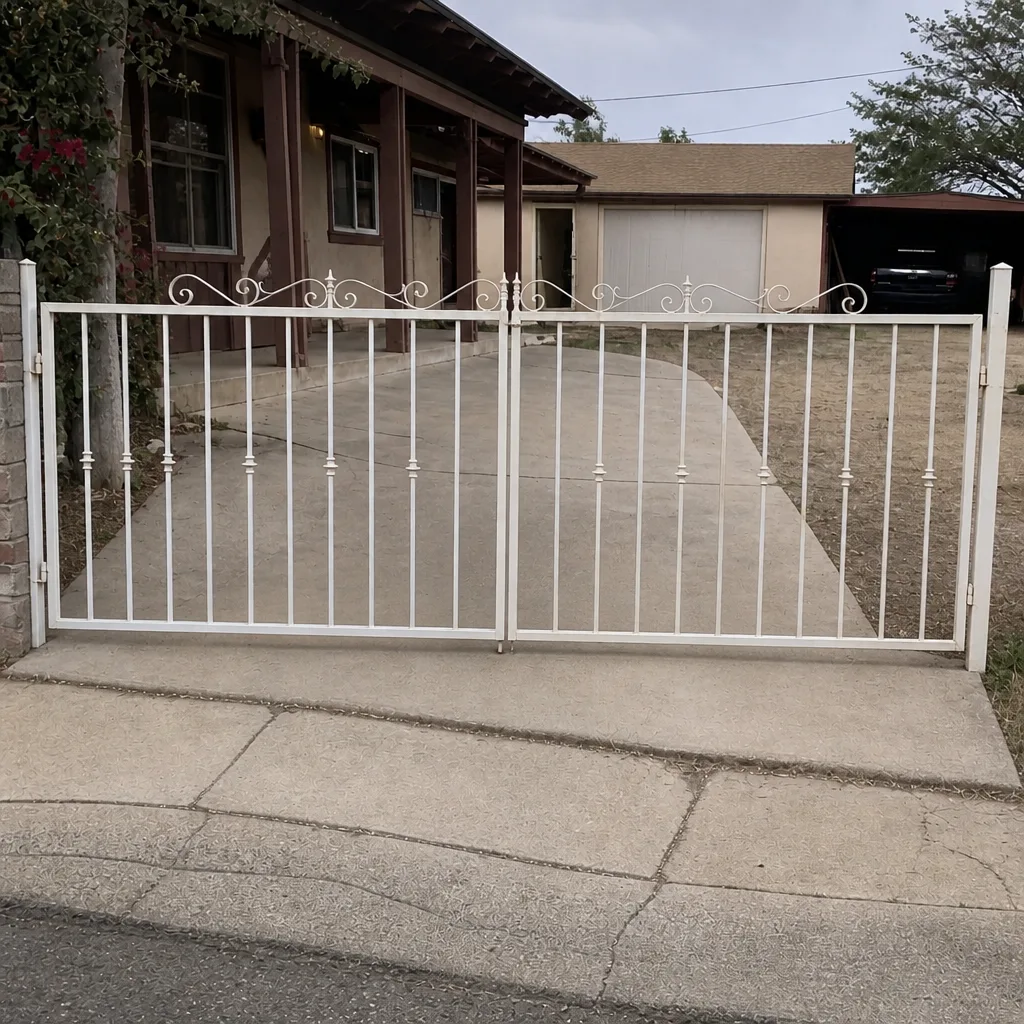
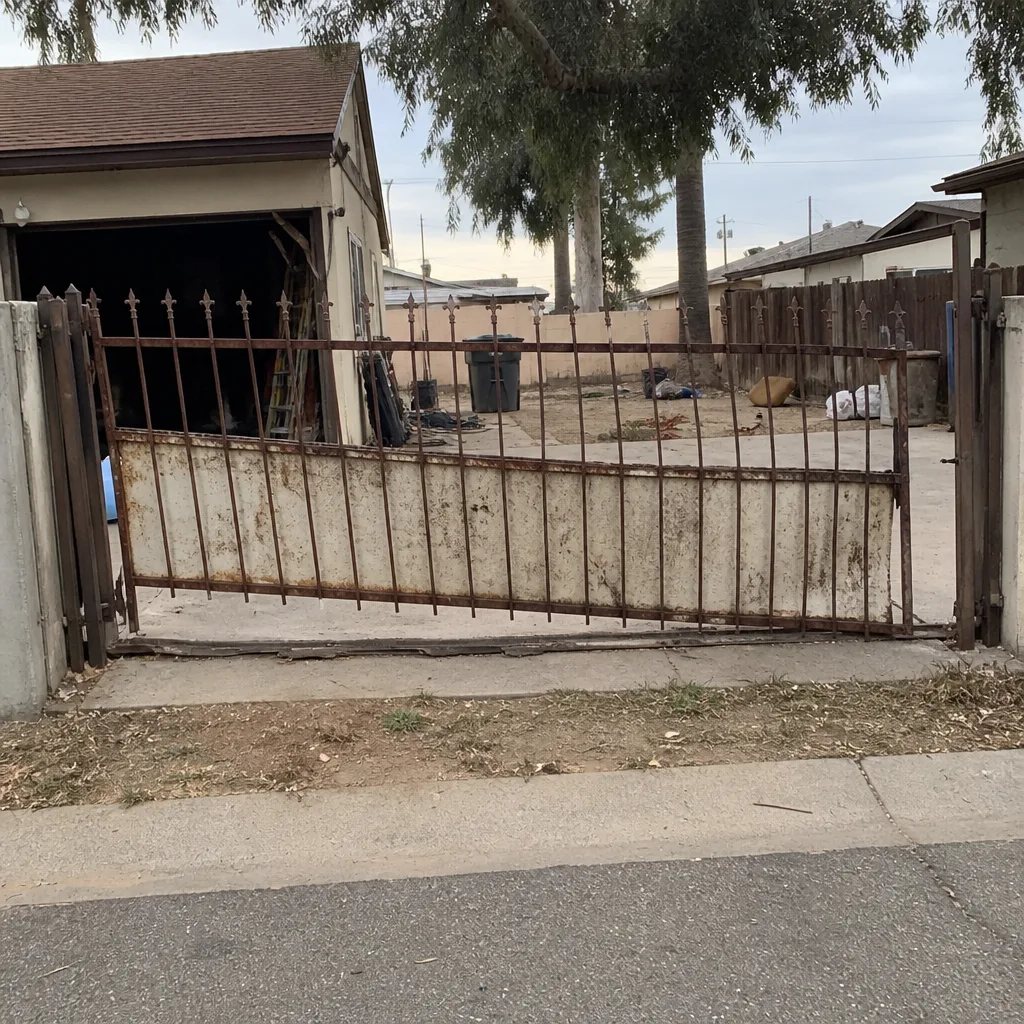
See the difference
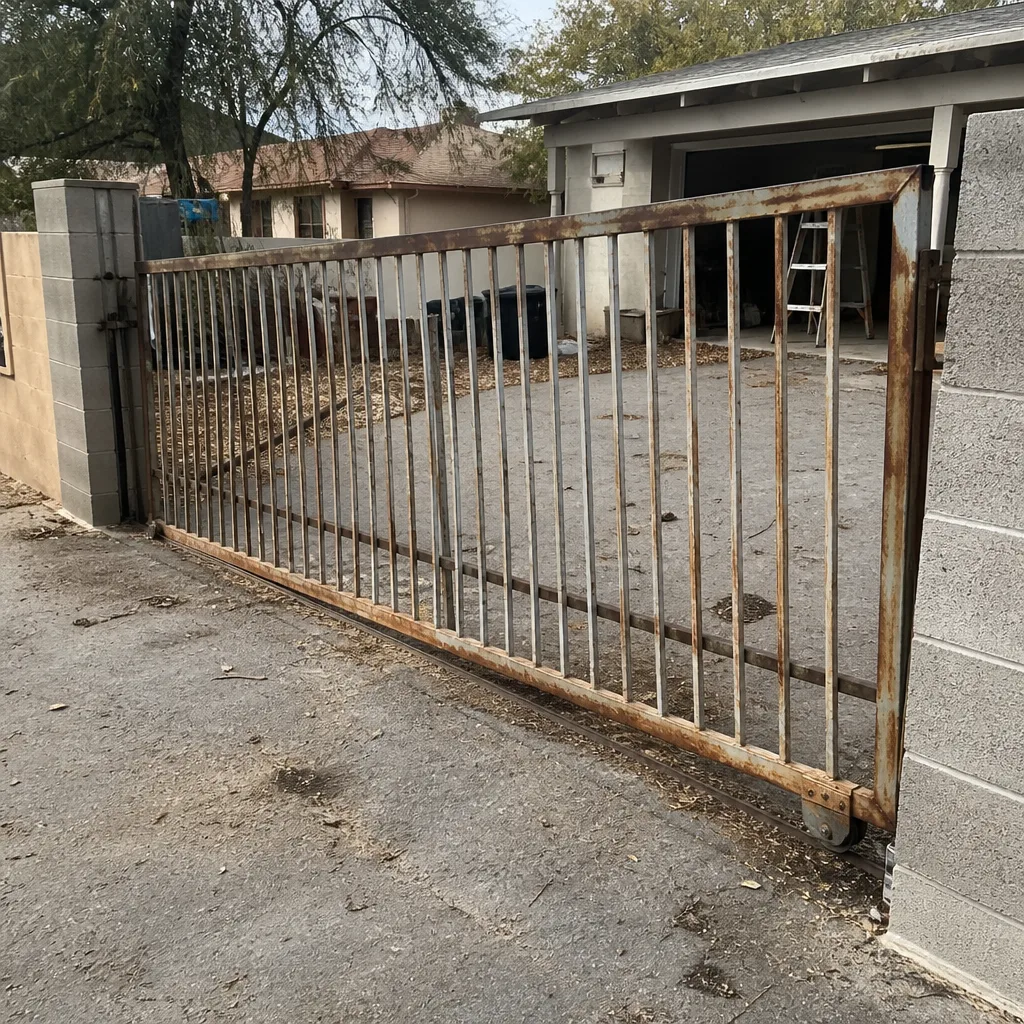 Before
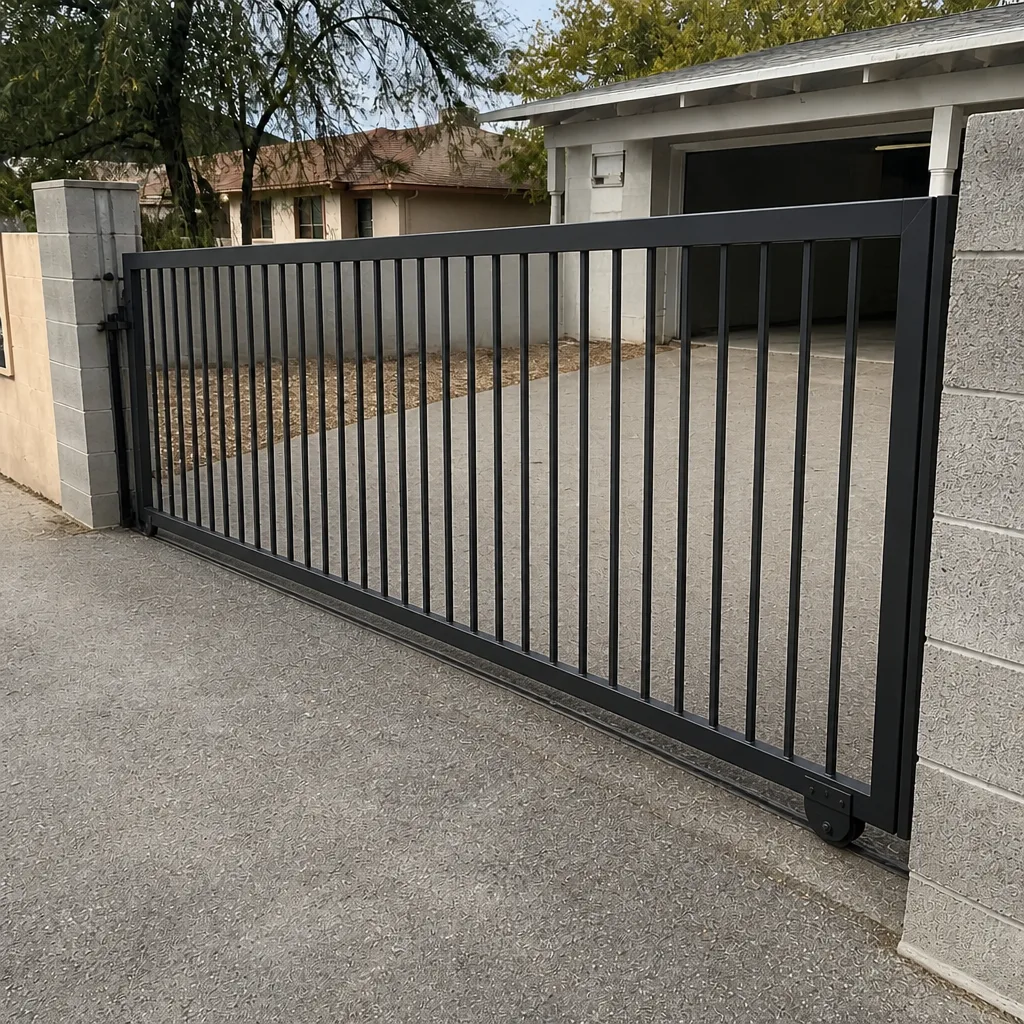 After
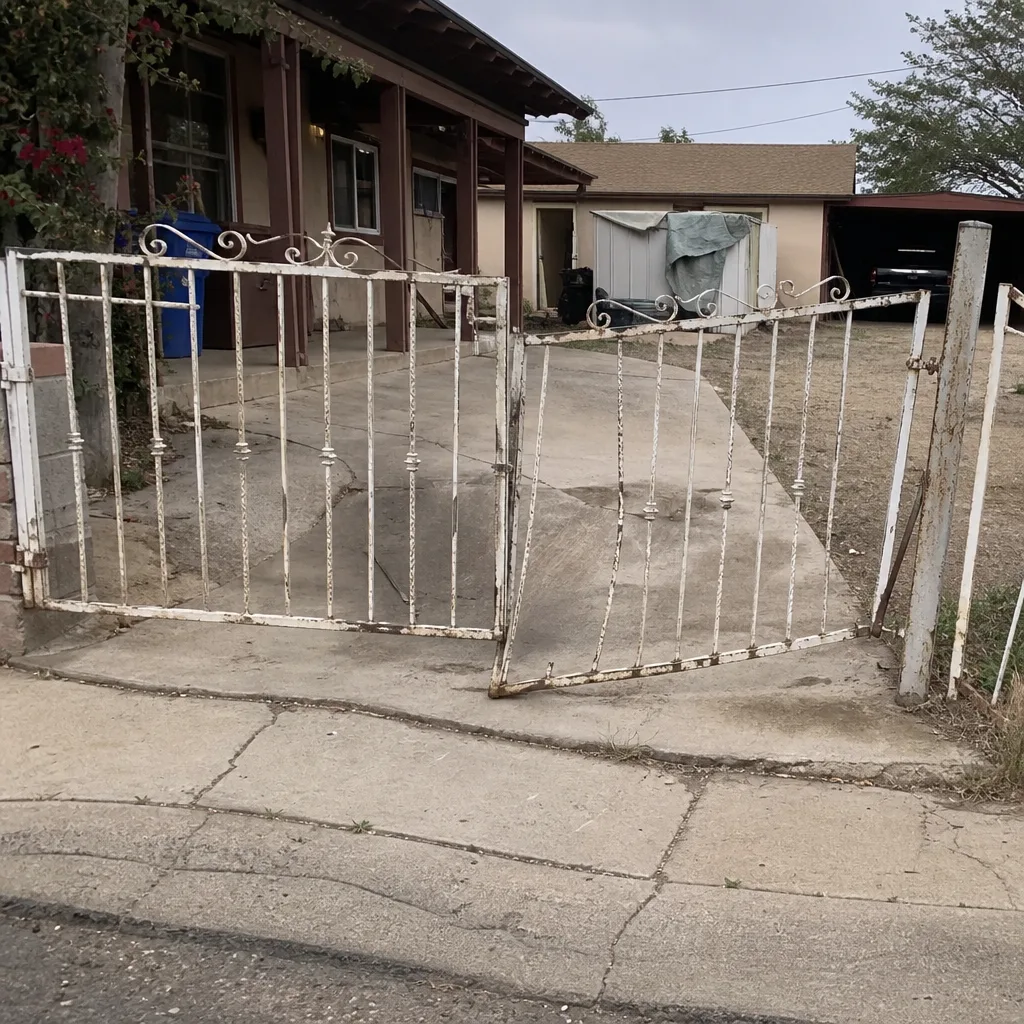 Before
 After
 Before
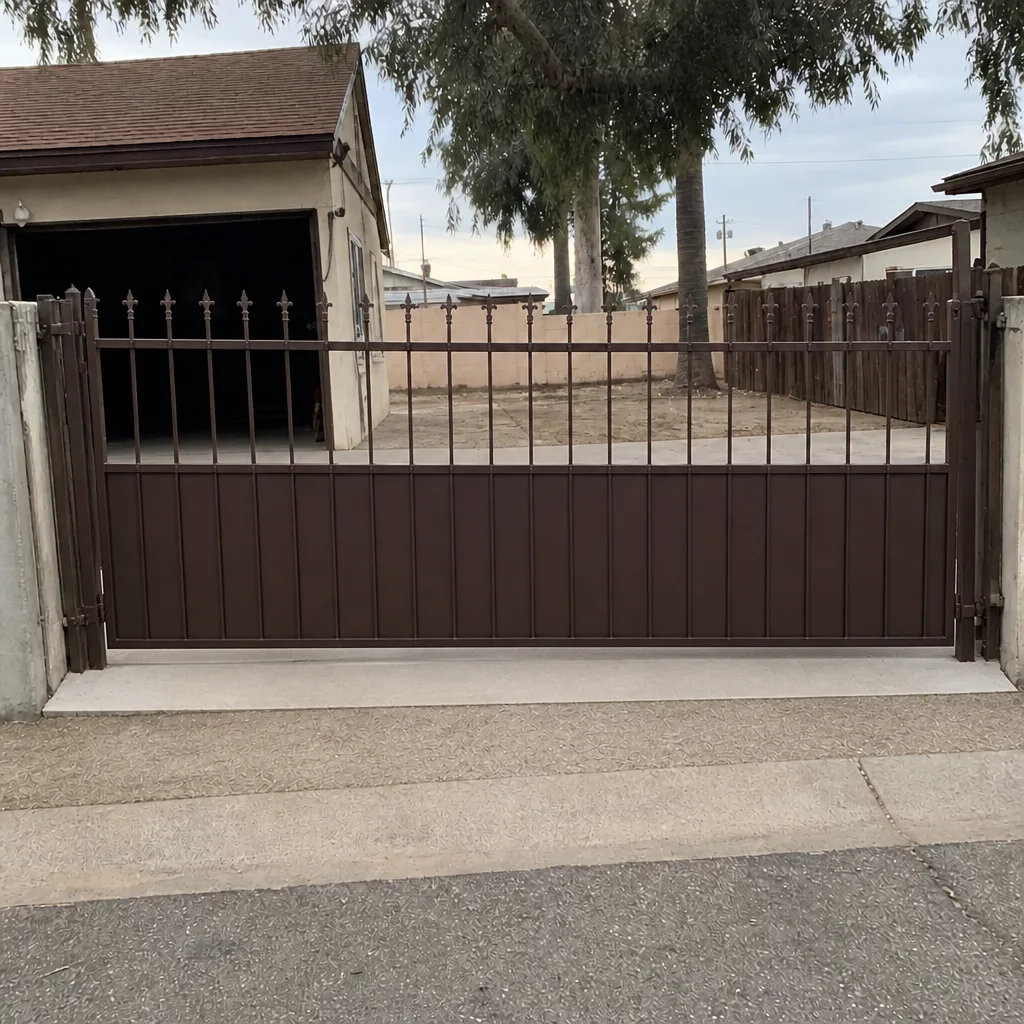 After
When to Call a Professional
Some gate issues are genuinely worth calling in a specialist, and here the reasons are concrete. Call us when the gate won’t close reliably and you can’t find the cause. Call when the operator’s control board, power run, safety edges, or intercom wiring is suspect – that’s electrical work on a system that can hurt someone, and a trained technician should handle it. Call when the posts have shifted or the structure is out of square, because a structural fix done wrong just moves the problem to the operator. And call when the gate is a commercial or access-controlled entry that’s down, because access and liability compound every hour it’s out.
We never recommend you reach into an operator’s wiring or power components yourself. A gate has no shortage of dangerous parts – live power at the operator, heavy panels that can crush, and slide gates that can come off the track. A trained professional should be the one opening that up.
Gate Repair Avondale offers free estimates in Avondale – call (866) 361-9597. We answer 24/7. Fast dispatch from 7am to 7pm, Sunday through Friday.
Frequently Asked Questions
Gate repair cost in Avondale depends on which root cause is at fault – sensor and settings fixes sit at the low end, and control board or operator repairs sit higher. Because pricing is set per job by the written estimate, the only way to know your number is a real look at the gate. Call (866) 361-9597 for an exact quote – estimates are free, and the price is agreed before any work starts.
In most cases, yes. Electric gate repairs that could be scheduled without a site visit are frequently done the same day, and the typical cause is a sensor, limit, or wiring fault that a technician can resolve on the first visit. Call (866) 361-9597. We answer 24/7. Fast dispatch from 7am to 7pm, Sunday through Friday.
A gate that reverses halfway open is almost always reacting to a miscalibrated limit switch or a dirty obstruction sensor, not a failing motor. Avondale dust on the photo-eye lenses is the usual culprit. Don’t replace the operator to fix it – have the settings and sensors checked first. Call (866) 361-9597 for a free estimate.
Yes. We work on the brand you already have, spanning nine major brands across residential, commercial, and estate systems – including FAAC, BFT, Linear, Viking, LiftMaster, Ghost Controls, DoorKing, Elite, and Mighty Mule. A single-brand dealer will push their product; we diagnose and fix the system in front of us. Call (866) 361-9597 for an exact quote.
Dust and heat are the two drivers. Dust coats photo-eye lenses and blocks the beam, and sustained summer heat warps the alignment hardware that keeps sensors aimed. Clean lenses and correct alignment usually restore function long before the sensor needs replacing. If yours keeps tripping, call (866) 361-9597 – estimates are free.
Replace when damage is cumulative rather than isolated – multiple failures at once, structure shifted past a clean fix, or parts no longer available for the existing operator. A repair that extends life fixes one clear root cause and leaves the rest of the system healthy. Call (866) 361-9597 and we’ll tell you plainly which side of that line you’re on.
The Bottom Line
Gate failure almost always comes down to one of five root causes: structural, electrical, mechanical, programming, or environmental. Get the diagnosis right and the repair is usually straightforward. Skip it and you can end up paying for a part that was never the problem. In Avondale, caliche soil and summer heat push wear toward posts, sensors, seals, and control components, so those get checked first. Before you approve any work, insist on a real diagnostic sequence and a written price. If you’d rather have a specialist handle it, reach out to our Avondale team – we work on the brand you have, from the motor to the panel.
Contact Us
Whether your gate is reversing halfway, refusing to close, or making a noise it shouldn’t, the right next step is a proper diagnosis. Gate Repair Avondale handles repair, electric gate repair, and new installation across the nine brands you’re most likely to own, and every price is set by a written estimate agreed before any work begins. Call (866) 361-9597 for a free estimate. We answer 24/7. Fast dispatch from 7am to 7pm, Sunday through Friday.
Written by the team at Gate Repair Avondale.