
Last updated November 15, 2026
 Wrought iron
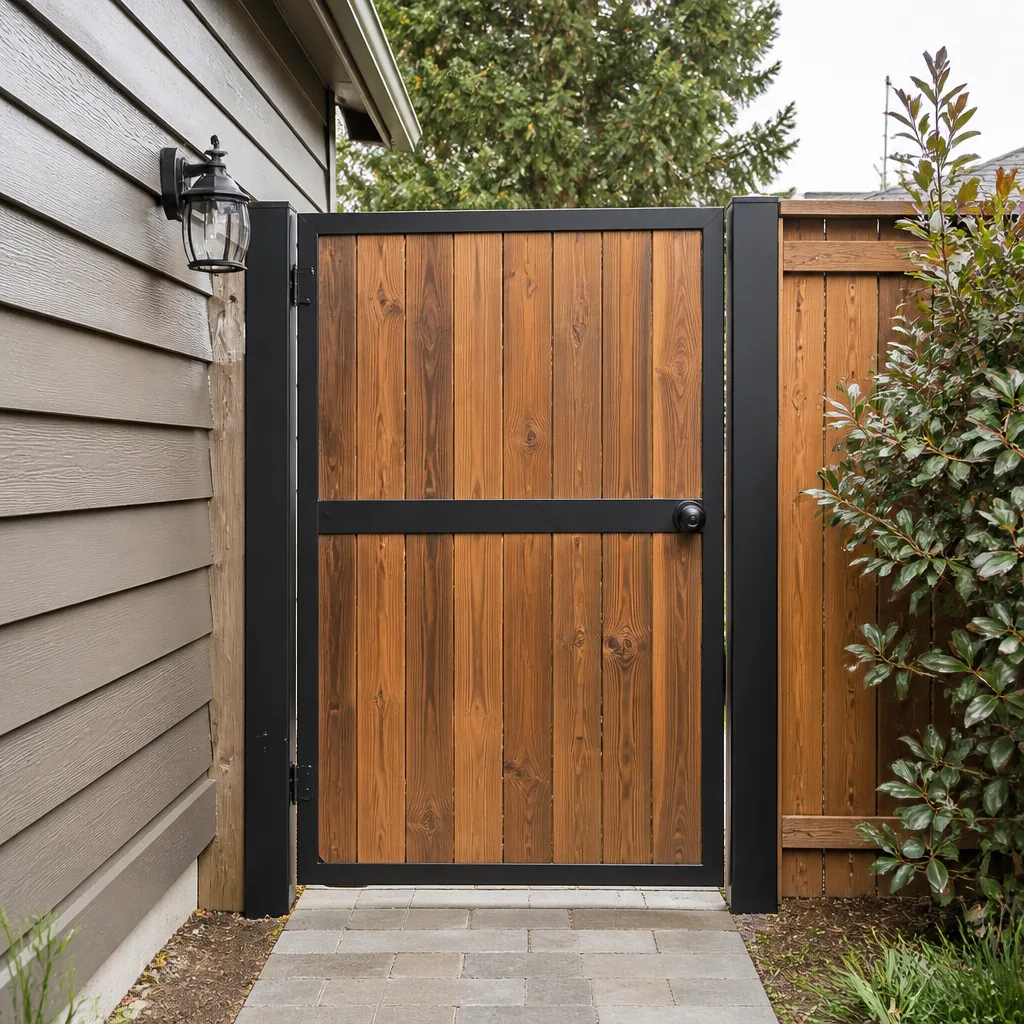 Wood & steel frame
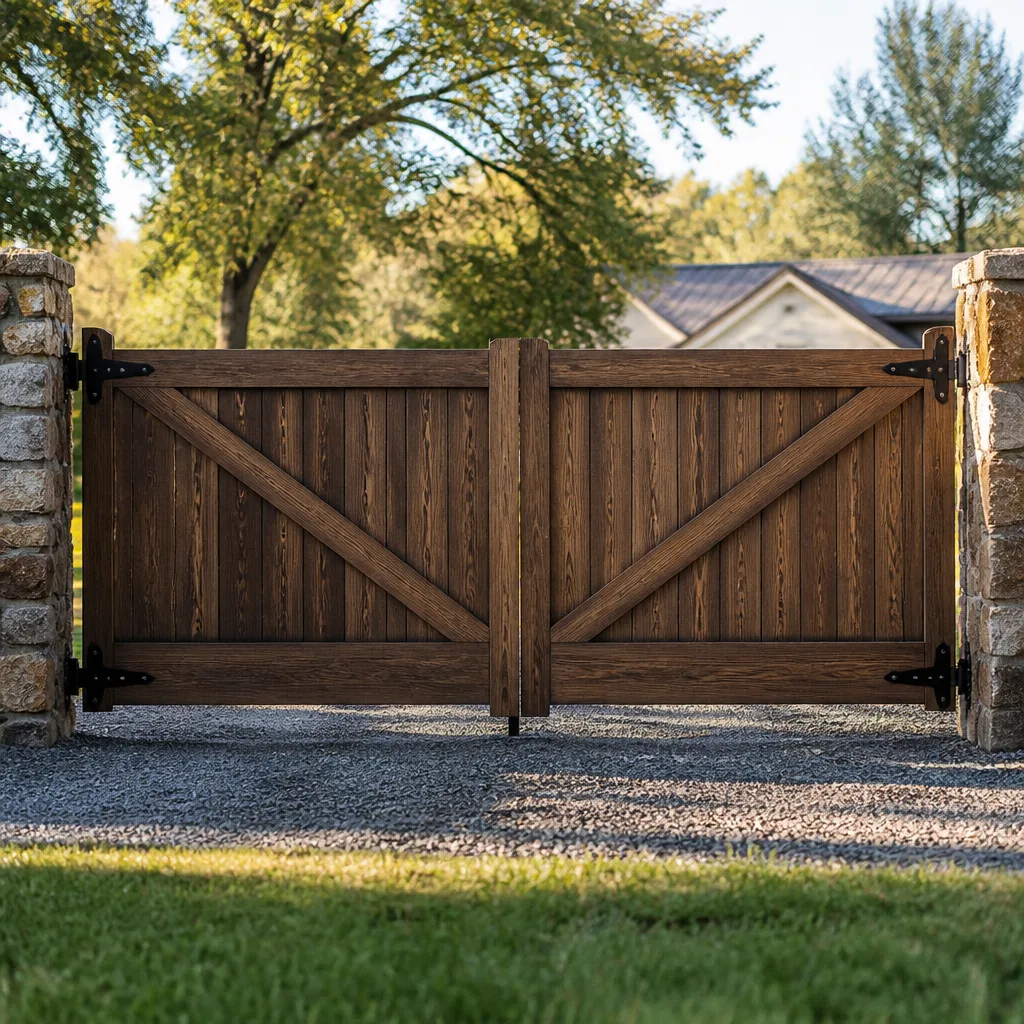 Farm & ranch
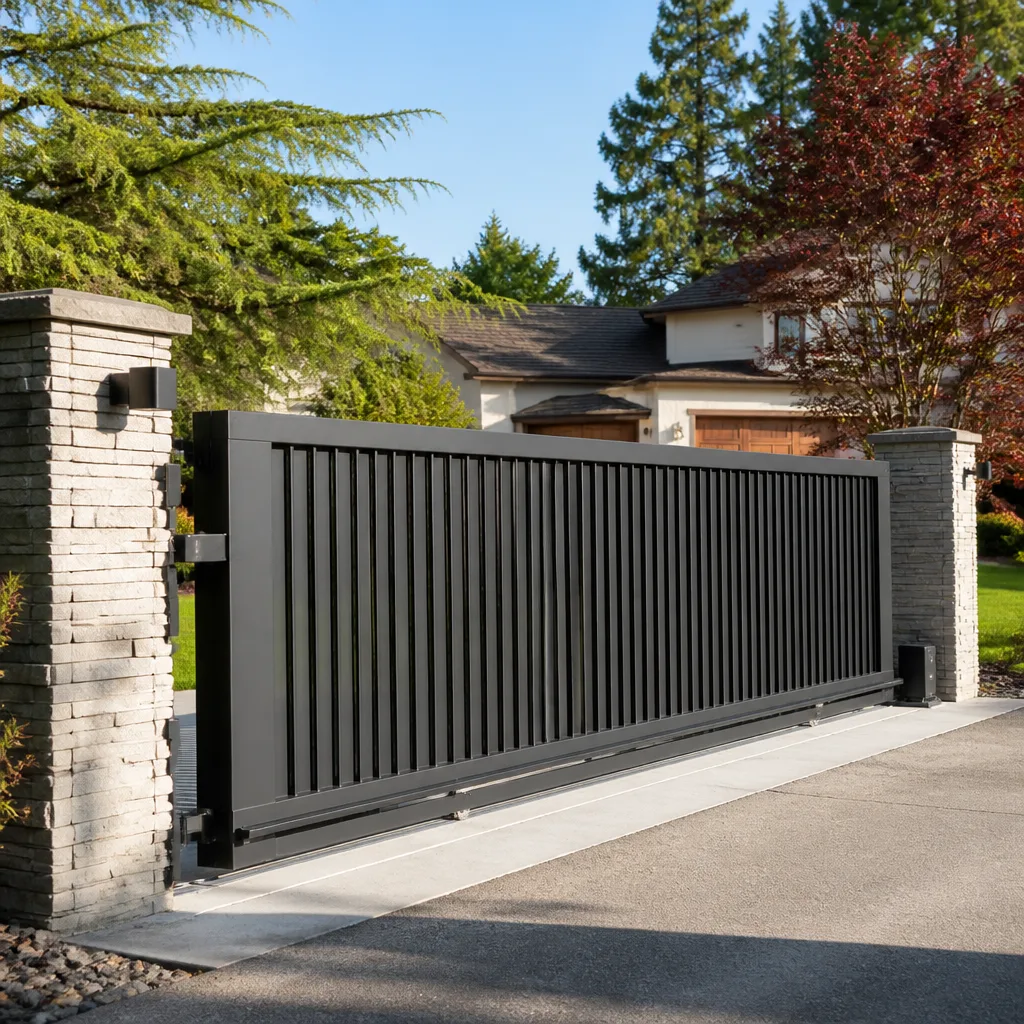 Sliding driveway gates
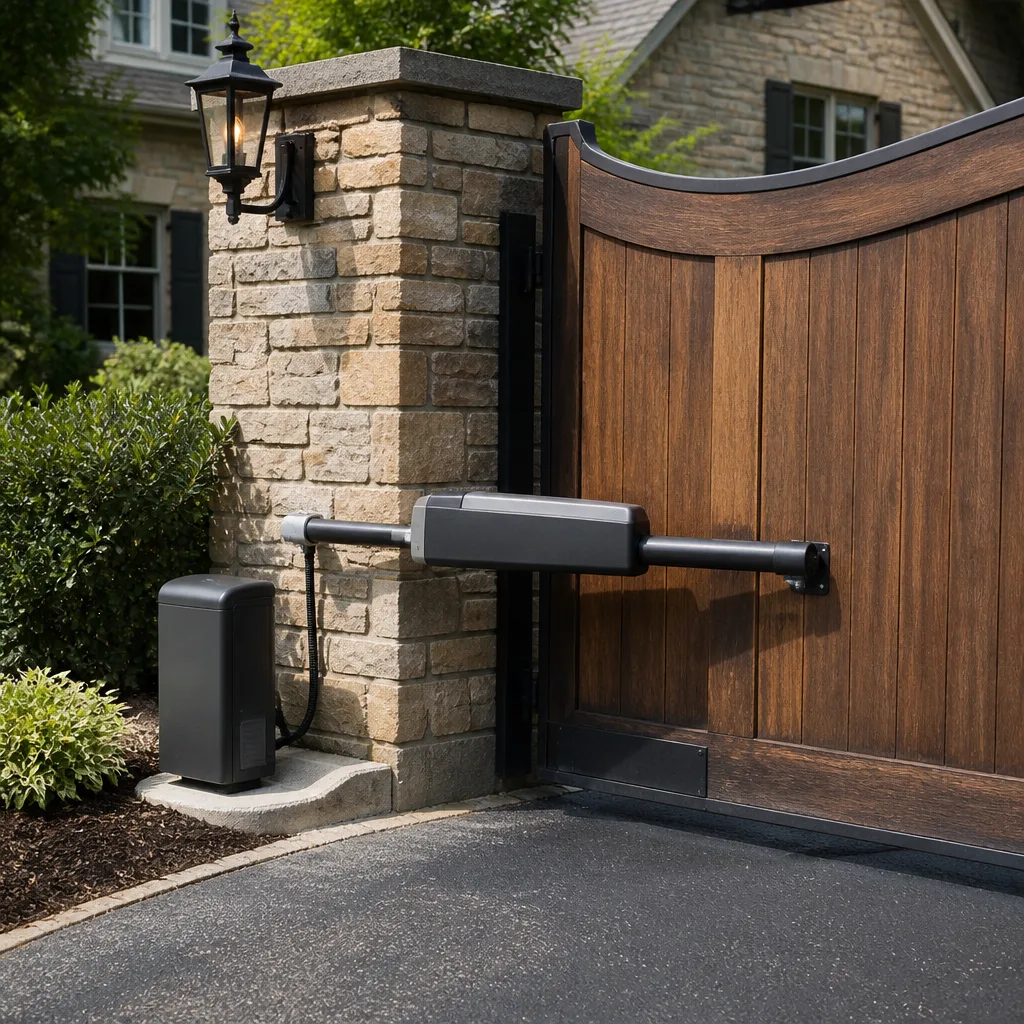 LiftMaster operators
Free on-site gate assessment - hinges, posts, and your LiftMaster or Nice gate operator checked before anything is quoted
The assessment is free and the quote is the invoice.
Get your free estimateGate Repair Maintenance Checklist for Avondale Homeowners
Most gate care advice floating around online was written for wet, cold climates, and it gets Avondale homeowners into trouble. Pulling out a can of WD-40 to quiet a squeaky hinge in July is worse than doing nothing at all: the solvent carrier flashes off in the heat within hours and takes the existing grease with it, leaving bare metal grinding against bare metal. The tasks that actually keep a gate alive in the West Valley are different from the ones you’ll read on a New England blog. This checklist covers the UV degradation, caliche dust, and thermal expansion that wear gates down here, plus a ten-minute monthly routine you can actually keep up with.
Quick Answer
A working maintenance routine for an Avondale gate comes down to five things, done monthly: clean the photo-eye lenses of caliche dust, lubricate hinges and chains with a heat-stable grease (never a solvent spray), check battery backup health, inspect the panel and post footings for movement, and listen through a full open-close cycle for grinding or stalling. Do those five and most gate failures get caught while they’re still a cheap fix. Skip them and the same gate will eventually need a motor, a control board, or a full rehang.
Styles & brands we work with
- Wrought iron
- Wood & steel frame
- Farm & ranch
- Sliding driveway gates
- LiftMaster operators
Table of Contents
- Why Avondale Gates Wear Differently
- Step 1: Clean and Align the Photo-Eye Sensors
- Step 2: Lubricate the Right Way for Heat and Dust
- Step 3: Check the Battery Backup Before It Quits
- The Monthly 10-Minute Walk-Around Protocol
- Which Tasks Can Void Your Operator Warranty
- Seasonal Add-Ons for the Avondale Year
- Common Mistakes to Avoid
- When to Call a Professional
- Frequently Asked Questions
Why Avondale Gates Wear Differently
Avondale sits in the West Valley where summer highs push past 115°F and the sun hits hard most of the year. That combination drives three failure patterns you won’t see in a milder climate, and they explain why a gate here can look perfectly fine and still fail without warning.
UV degradation. Sun breaks down plastic and rubber at the surface first: sensor lenses cloud, wire insulation gets brittle, remote housings crack, and the seals around control boxes dry out and let dust in. Any plastic or rubber part facing the sky is aging faster than the calendar suggests.
Dust infiltration. Fine desert dust and caliche powder work into every opening: hinge pins, roller tracks, chain links, the seams of an operator housing. Mixed with old lubricant it turns into a grinding paste. Mixed with morning dew it cakes onto the optical face of a photo-eye and blinds it.
Thermal expansion. Metal panels and posts grow and shrink through a wide daily swing. Bolts that were tight in January loosen by June. Footings that settle a fraction of an inch show up as a gate that drags at one end of its travel. Over a season, small movement becomes a sag.
When your gate finally does stop cooperating, the fastest route is a specialist who works on the brand you already have. You can gate repair here in Avondale without guessing at which system is on your property, and that matters when the cause turns out to be ten years of dust rather than a dead motor.
Step 1: Clean and Align the Photo-Eye Sensors
Dirty or misaligned photo-eye sensors are the most common reason an automated gate reverses, refuses to close, or closes partway and opens again. In Avondale, the culprit is almost always caliche dust caked onto the lens, not a wiring fault. The system reads “obstruction” and does exactly what it’s supposed to do. The gate isn’t broken; the eye can’t see.
Here’s the monthly routine, and it takes about two minutes per gate:
- Power the operator down at the control box or the breaker before you touch anything near the sensors.
- Wipe each lens with a soft, slightly damp cloth. Don’t spray cleaner directly at the eye; moisture and grit get forced into the housing. Wipe, don’t spray.
- Look at the lenses against the sun. A cloudy film means UV has started to break the plastic down. Wiping won’t fix a clouded lens; it needs replacement.
- Check alignment by sighting along the beam path. Both eyes should face each other squarely, with nothing in the line: no new planter, no trash bin, no tall grass the irrigation grew.
- Power back up and test: stand in the beam and confirm the gate reverses, then step clear and confirm a clean full close.
If the gate still reverses after clean lenses and a clear path, the fault is likely in the wiring, the sensor itself, or the control board. That’s the territory of electric gate repair, not something to chase with a screwdriver unless you’re comfortable with low-voltage diagnostics. On systems we work with often, LiftMaster and Linear photo-eyes are common in Avondale, and both are straightforward to service when the fault is identified properly.
Step 2: Lubricate the Right Way for Heat and Dust
Lubrication is where most homeowners do more harm than good. The right product depends entirely on the component, and in a high-heat, high-dust climate the wrong product creates a grinding paste that wears parts faster than running them dry.
Here’s what belongs where:
- Hinges and pivot points: a lithium-complex or synthetic grease with a high drop point. Spray it on, work the hinge through its arc, wipe off the excess so dust has less to cling to. These greases hold their body well past 115°F where a thin oil will run straight off.
- Chains (slide gate operators): a chain-and-cable lubricant or a heavier chain grease, applied sparingly, then wiped. A dry PTFE spray is a good option for a gate that sees a lot of dust, because it doesn’t collect grit the way wet grease does.
- Roller tracks and wheels: a dry film or graphite-based lubricant. Tracks collect dust, and anything sticky turns them into a sandpaper strip. Clean the track first, then apply a light dry film, never a wet spray.
- What to skip: standard WD-40, and anything labelled a “penetrating oil” or “rust buster.” The solvent base evaporates within hours in Avondale heat and carries existing grease with it. If you’ve been using it on a noisy hinge, the noise came back because you stripped the joint.
A good wiping-down and re-grease every month during the hot season, and every two or three months the rest of the year, keeps hinges and chains in service and keeps a slide gate tracking straight. Because heat speeds up the whole process, the intervals here are tighter than what northern-climate guides recommend.
Step 3: Check the Battery Backup Before It Quits
A gate operator battery in Avondale often fails in 18 months, not the 3 years the manufacturer’s label suggests. Heat is the reason. Battery capacity falls as ambient temperature climbs, and a battery sitting in a metal housing in full sun through a West Valley summer is being cooked every day. The label assumes a mild climate and a shaded install; neither is guaranteed here.
For a solar operator, a failing battery shows up first as unreliable performance: the gate hesitates on the first open of the morning, or stalls partway when the panel hasn’t had full sun. For a standard AC-powered operator with battery backup, the gate may run fine until a power cut leaves you with a gate that won’t open at all.
What to check monthly:
- Test the backup by cutting power for a minute and running one full cycle. The gate should move at normal speed, not crawl.
- Look at the battery terminals for corrosion or powder. Wipe and re-seat if they’re grimy.
- For solar, look at the panel: a layer of dust on the glass cuts charging more than you’d think. A quick rinse helps.
- Check the date on the battery. If it’s over a year and a half old and performance is slipping, budget a replacement.
If the operator is a Ghost Controls or Mighty Mule solar unit and the battery won’t hold, the diagnosis is usually the battery itself rather than the panel. A professional can confirm before you buy the wrong part.
The Monthly 10-Minute Walk-Around Protocol
What separates a gate that lasts from one that fails is a short, specific routine, not vague advice to “check for damage.” Here’s a literal walk-around you can do in ten minutes. Grab a flashlight and a rag, and follow the gate from the bottom hinge to the top of the post.
Look:
- Hinge pins for wear at the barrel; a gap or wobble means wear is starting.
- The gate’s bottom edge and latch point, where grinding shows up first.
- Photo-eye lenses for clouding or caked dust.
- Panel and post footings for cracks, lifting, or gaps at the base.
- Wire runs and insulation for sun cracks or rodent damage.
Touch (with power off near moving parts):
- Grab the free end of the gate and lift. A small amount of play is normal; a clunk or a sag means a hinge or post needs attention.
- Push against the gate’s arc; it should move easily and without binding.
- Feel the control box housing for looseness; vibration loosens fasteners.
Listen (power on):
- Run a full open-close cycle and listen for grinding, squealing, or a chain that slaps.
- Note any hesitation or stall, especially on the first cycle of the day.
- Listen for the operator motor straining at the same point in travel; that points to a binding track or a worn roller.
Log anything that changed since last month. Patterns matter, and a gate that hesitates at the same point in its travel is telling you exactly where the fault is starting.
Which Tasks Can Void Your Operator Warranty
Some maintenance you do yourself is perfectly safe for your warranty. Some tasks, done wrong, can void it. A little knowledge here saves arguments later.
Generic “warranty void if removed” stickers aren’t the whole story; the operator manual for your brand is the authority. As a general rule, these tasks are homeowner-safe:
- Cleaning photo-eye lenses and keeping the beam path clear.
- Wiping down the housing and clearing debris from tracks.
- Lubricating hinges and chains with the specified product.
- Testing the battery backup.
These tasks are where people run into trouble:
- Opening the operator housing to adjust or swap the control board. On most brands this is the fastest way to void coverage, and it’s easy to damage the board or wiring in the process.
- Adjusting force, speed, or travel limits without the manual. An operator tuned wrong strains the motor and can compromise safety. If you don’t have the manual, don’t guess.
- Resetting a solar panel or charge controller incorrectly. Wrong polarity or a wrong setting can cook the controller, and that’s a common failure that isn’t covered.
- Bypassing a safety sensor, even temporarily. This is both a warranty problem and a safety problem. Never do it.
Some brand warranties require documented professional service at stated intervals to stay valid. Before you open anything, check the manual for your specific brand. If it’s a DoorKing access-control unit or a BFT commercial operator, a documented service visit protects both the machine and the warranty. If you’re not certain, have a technician look at it.
Seasonal Add-Ons for the Avondale Year
Aside from the monthly routine, a few seasonal tasks pay off in our climate.
Before summer:
- Have the operator, wiring, and control box inspected. Heat is the stressor, and a full-system check in spring catches a worn motor before it fails at the worst time.
- Test the battery backup under load and replace anything over 18 months old if performance is slipping.
- Check that the operator housing isn’t getting direct sun where it can be shaded. Shade extends motor and battery life.
After the dust storm season:
- Clean the photo-eyes again, even if it’s mid-month. Storm dust settles on every lens.
- Clear the track and chain of grit and re-lubricate with the right product.
- Look closely at hinges and the post footings for movement, especially after a strong wind.
Monsoon season:
- Check the panel housing, control box, and wiring connections for water intrusion after a heavy rain. Dried seals and sun-brittled weather stripping let water in.
- Test the gate after each monsoon; a stuck photo-eye or a soaked control board will announce itself.
An operator that fails just before a monsoon storm is a real problem for a property that relies on its gate for access. Getting a professional to handle the Gate Repair Avondale service for anything you’re not sure of keeps the system reliable through the worst of the year.
Common Mistakes to Avoid
- Using WD-40 on hinges. It’s a solvent, not a long-term lubricant. In Avondale heat it evaporates fast and strips the grease that’s already protecting the hinge. The result is a joint wearing faster after “maintenance” than before it.
- Skipping photo-eye cleaning because “it looks clean.” Caliche dust is fine and pale; it can coat a lens enough to blind the eye while the lens still looks okay. Wipe it every month regardless.
- Chasing a reversing gate by replacing the motor. Nine times out of ten, a reversing gate has dirty sensors or a misaligned beam. Diagnose the sensor first; the motor is usually fine.
- Ignoring a slight sag at the free end of the gate. A small sag today becomes a dragging panel and a worn track later. Catch it while a hinge adjustment solves it.
- Bypassing safety sensors to get the gate closing again. This defeats the number-one safety feature on the whole system. Never do it, even temporarily.
- Trusting the battery label’s 3-year figure. Treat 18 months as a realistic service life in this heat and test to confirm, rather than waiting for a failure during a power cut.
- Adjusting force or travel limits without the manual. Wrong settings strain the motor and can void your warranty. Get the manual before you adjust, or have a professional do it.
When to Call a Professional
Some things are a maintenance task and some are a call. Book a professional when the gate reverses or refuses to close after clean, aligned sensors and a clear path. Call when you hear grinding, squealing, or a motor straining at the same point in travel. Call when a hinge or post is loose and the gate has developed a sag you can’t correct with a wrench. Call any time wiring, the control board, or the operator housing needs to be opened; that’s where the real hazards sit, and a botched repair on a live-electric gate is a genuine safety concern. And call for anything your manual doesn’t clearly authorize you to do. Gate Repair Avondale offers free estimates in Avondale, and the written price is agreed before any work starts. Call (866) 361-9597 to book an on-site assessment.
Frequently Asked Questions
Monthly for the short walk-around and photo-eye cleaning, and every one to three months for a lubrication check, with the shorter intervals during the hot season. The heat and dust drive wear faster here than in mild climates, so tighter intervals pay off. For full-system checks, once before summer is a good rhythm.
Photo-eye sensors that are dirty or misaligned are the most common cause, and in Avondale caliche dust is usually the culprit. Wipe both lenses with a damp cloth and check for anything in the beam path. If a clean, aligned sensor still reverses the gate, the fault is likely in the wiring, the sensor itself, or the control board, and that calls for a technician.
Use a high-temp lithium-complex or synthetic grease on hinges, a chain-and-cable lubricant or dry PTFE spray on chains, and a dry film on roller tracks. Avoid standard WD-40 and any penetrating oil; the solvent carrier evaporates in the heat and takes existing grease with it. When in doubt, check your operator manual for the recommended product.
Heat is the reason, and the manufacturer’s 3-year figure assumes a milder climate. A battery sitting in an operator housing through a West Valley summer can lose capacity in 18 months. Test the backup monthly and replace the battery when performance drops or the date gets near a year and a half.
You can safely handle cleaning, wiping down, lubricating, and testing. Opening the operator housing, adjusting force or travel limits without the manual, or resetting a solar controller incorrectly can void coverage on most brands. Check your manual before doing anything beyond cleaning and lubrication, and have a professional handle anything inside the housing.
Does Avondale require a permit to repair or replace a gate operator?
Permit rules vary and depend on the scope of the work, so check with the city’s building department before a replacement or a significant electrical change. A repair on an existing system usually doesn’t need one, but a full replacement with new wiring often does. When you’re unsure, ask the city.
The Bottom Line
Keeping a gate running in Avondale comes down to doing the right few things consistently: clean the photo-eyes every month, grease hinges and chains with a heat-stable product rather than a solvent spray, test the battery backup and treat 18 months as the realistic service life, and take the ten-minute walk-around that catches a sag or a worn hinge before it becomes a repair. Skip the northern-climate advice that doesn’t apply here, and don’t chase a reversing gate by replacing the motor before you check the sensors. When something’s beyond a wipe and a grease, our technicians bring up to 12 years of experience to a call, and the price is quoted before any work starts. Call (866) 361-9597. We answer 24/7. Fast dispatch from 7am to 7pm, Sunday through Friday.
Written by the team at Gate Repair Avondale.
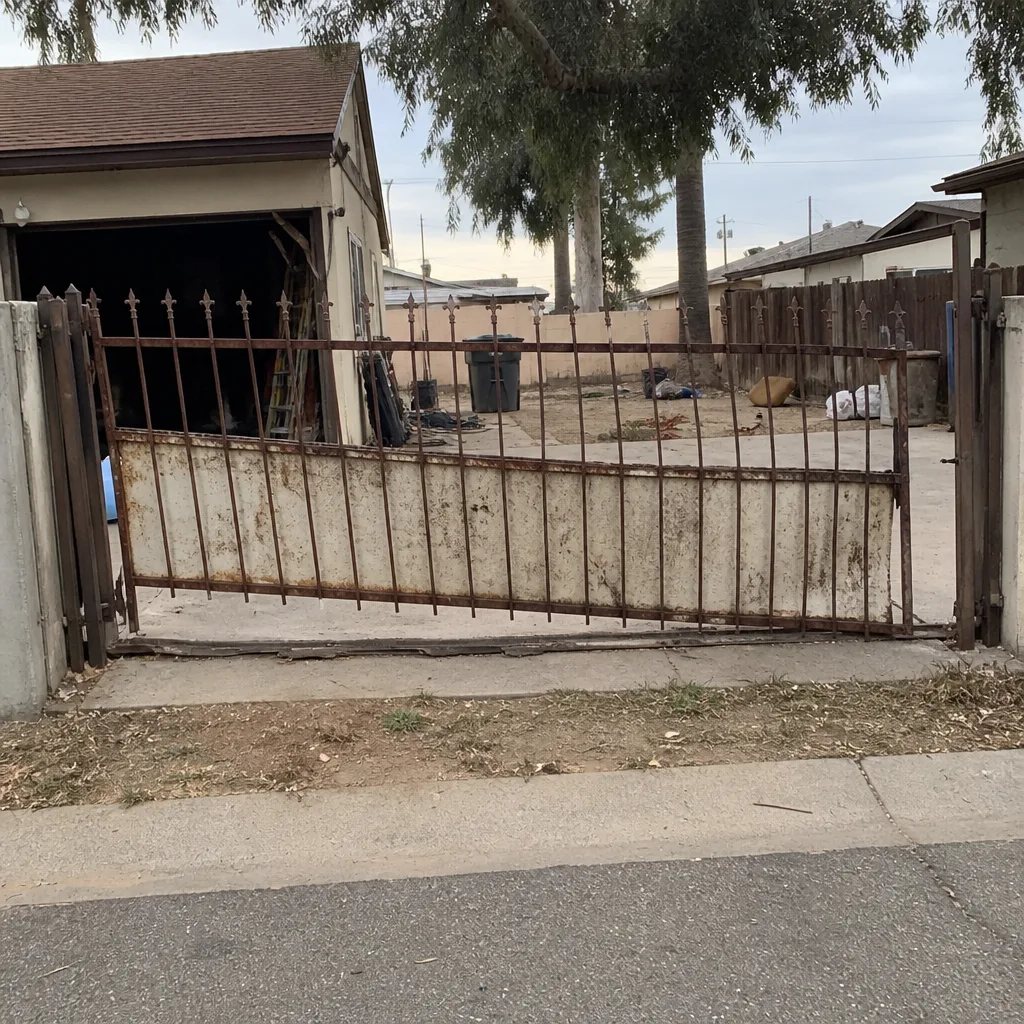
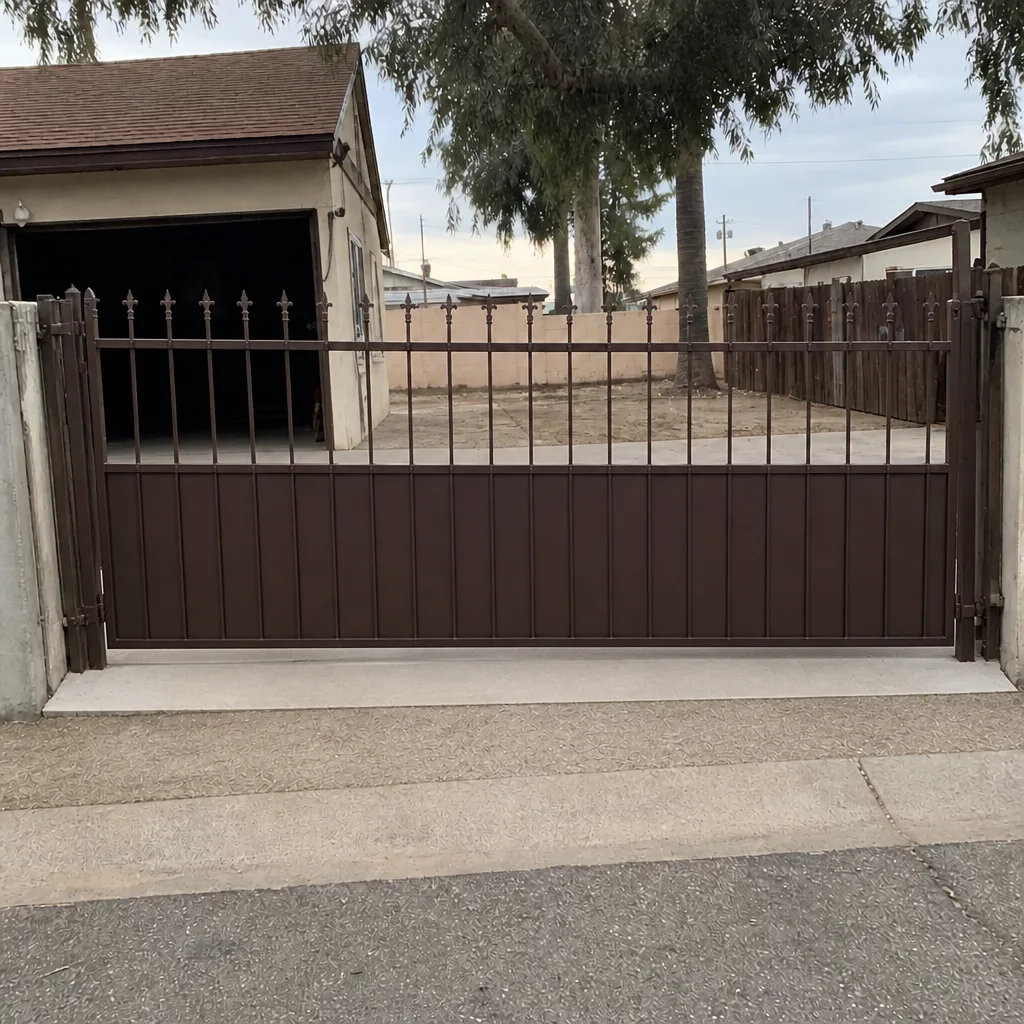
See the difference
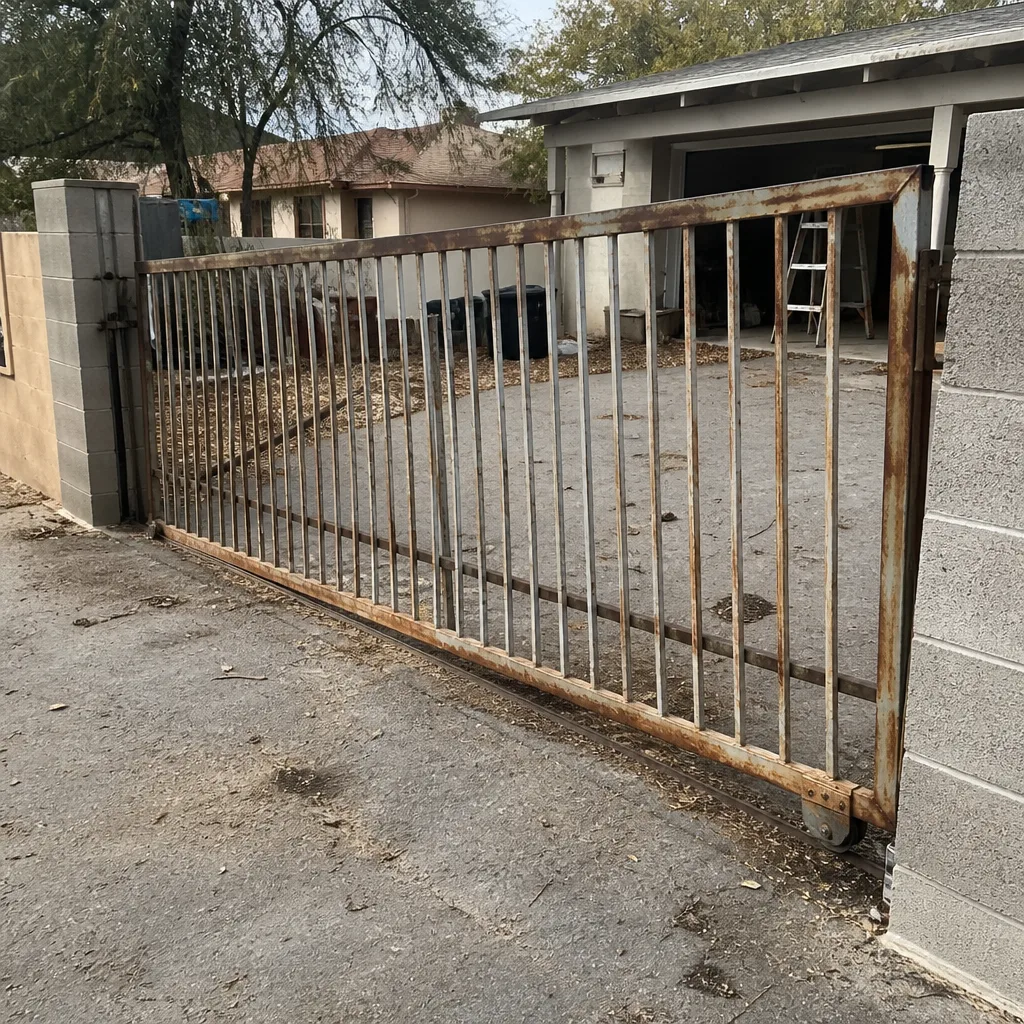 Before
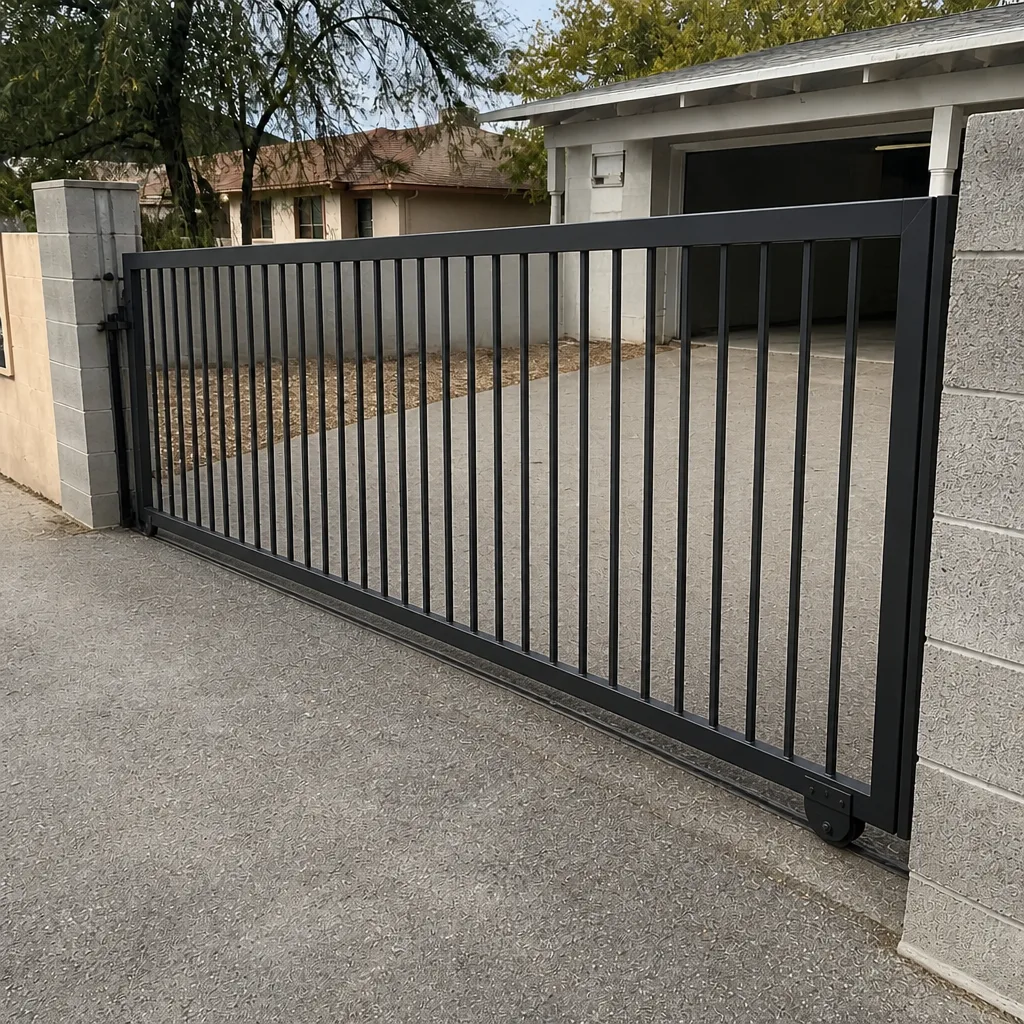 After
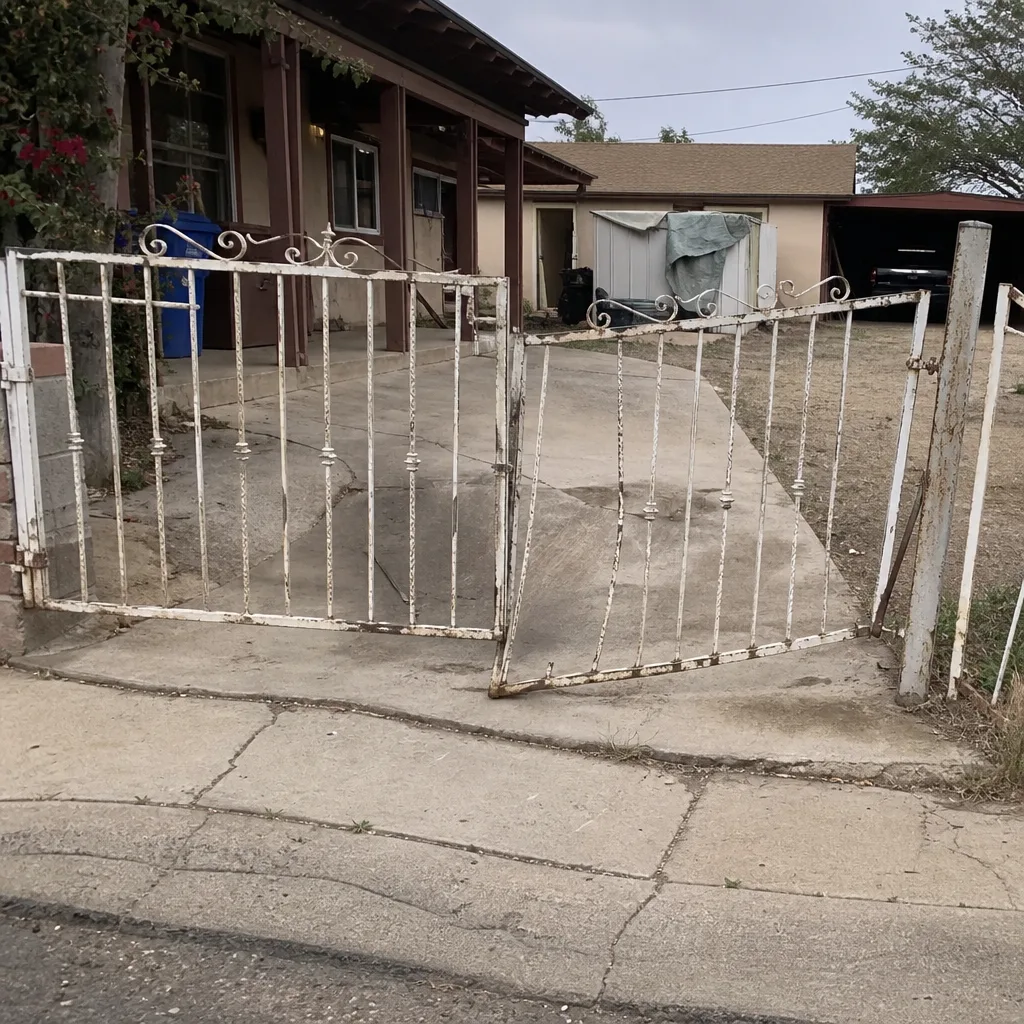 Before
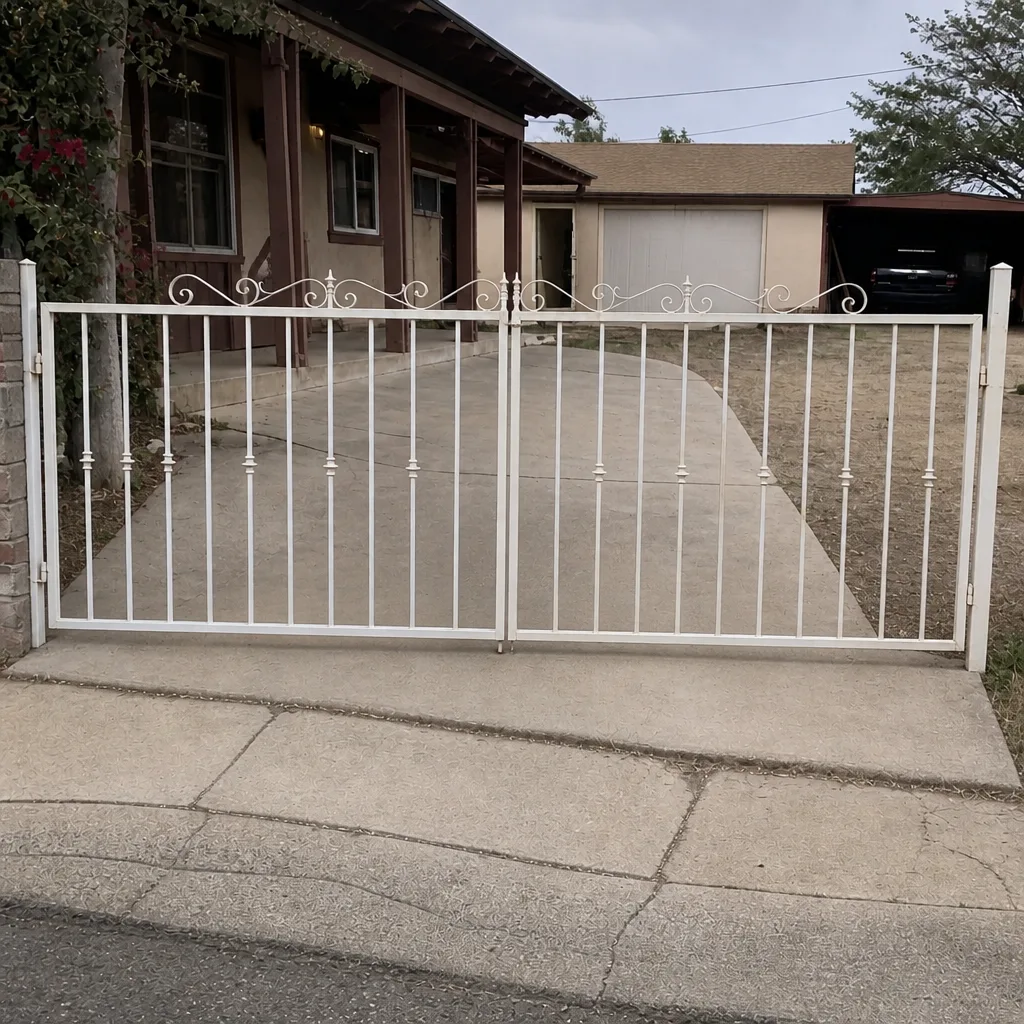 After
 Before
 After