
Last updated November 15, 2026
 Wrought iron
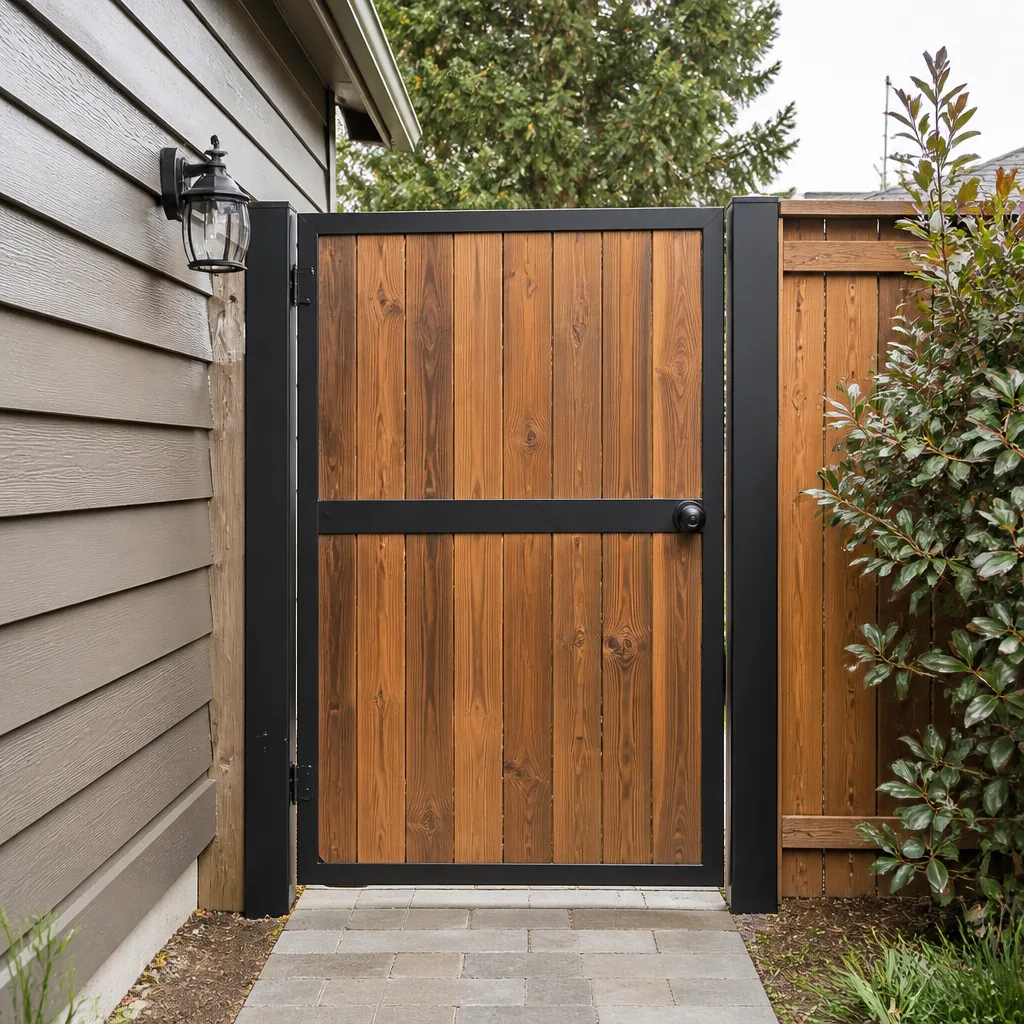 Wood & steel frame
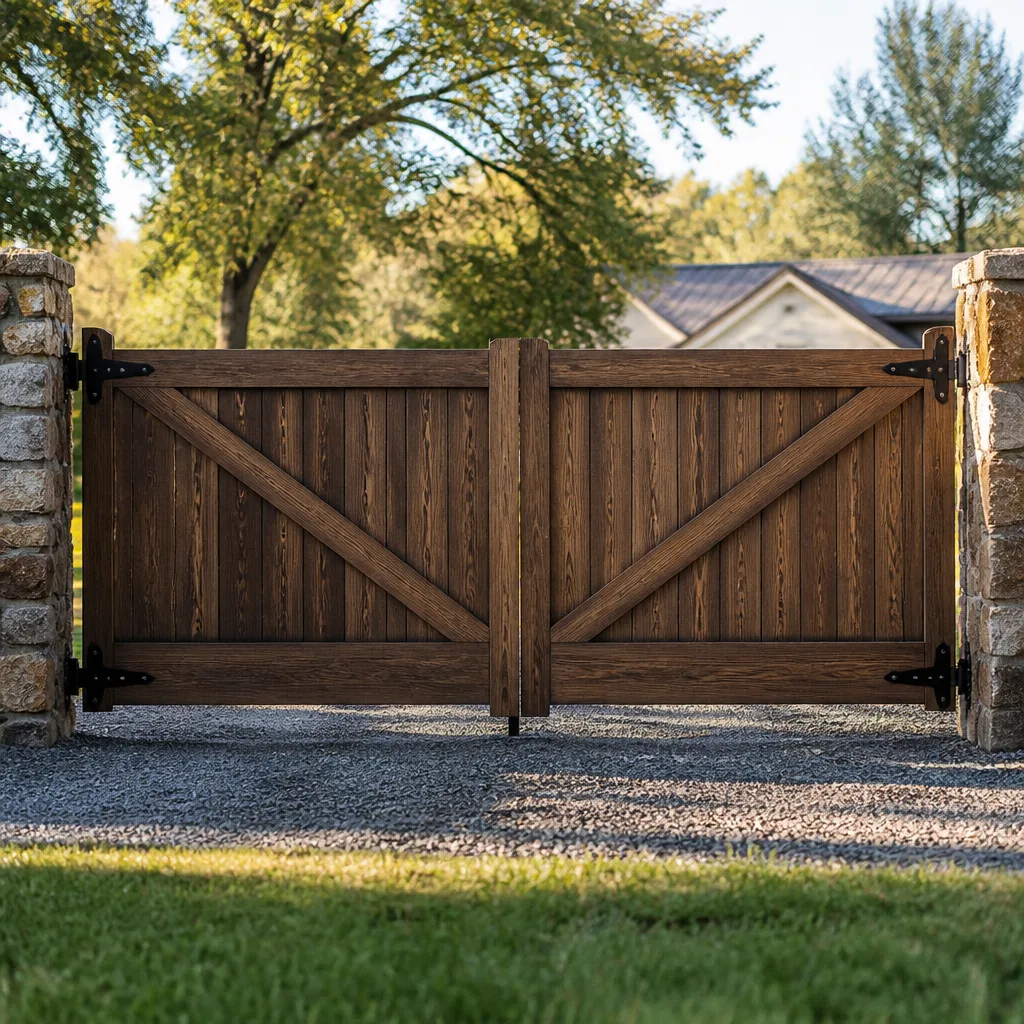 Farm & ranch
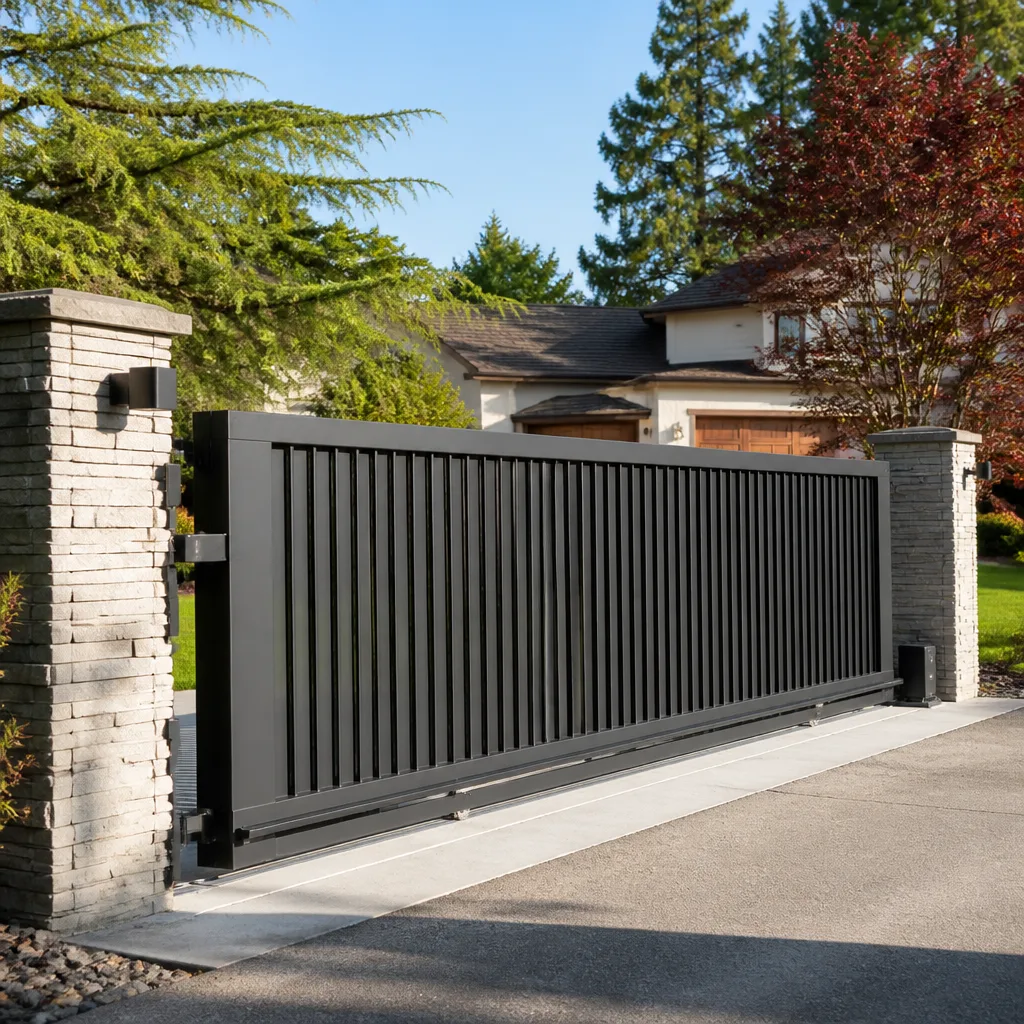 Sliding driveway gates
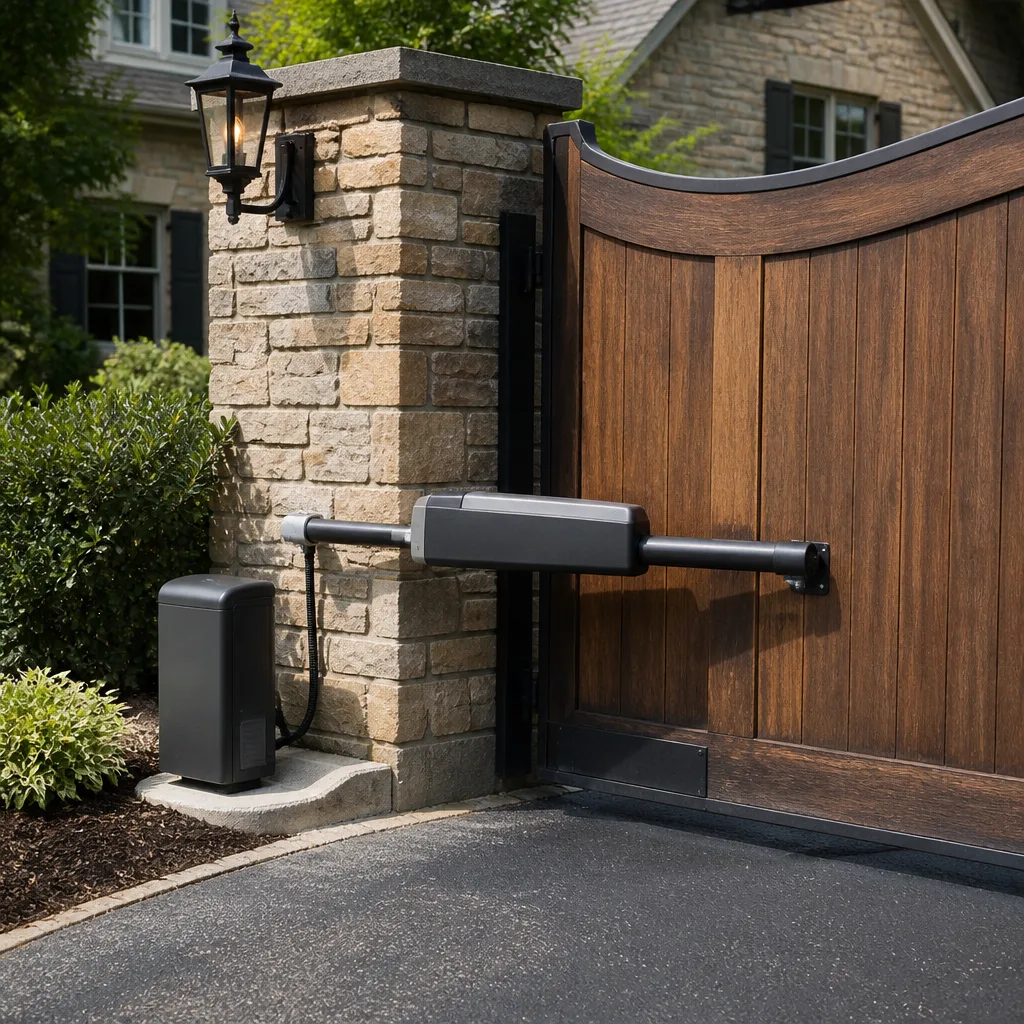 LiftMaster operators
Free on-site gate assessment - hinges, posts, and your LiftMaster or Nice gate operator checked before anything is quoted
The assessment is free and the quote is the invoice.
Get your free estimateGate Repair Permits, Codes & Inspections in Avondale, AZ: What You Need to Know
Most gate work in Avondale doesn’t need a permit. That’s the part people get wrong first – they assume every repair is a paperwork job and stall on it. But the two categories that do require permits are the same two homeowners most often hand to a cheap handyman or tackle themselves: electrical work on an operator and anything involving new posts or footings. The liability doesn’t show up then. It shows up later, usually at a home inspection. This guide draws the line precisely, so you know which side of it you’re on before you sign anything.
Quick Answer
In Avondale, a repair to an existing gate – hinges, latches, a sagging panel, a worn roller – generally does not require a permit. New gate installation with fresh post footings, and electrical work that extends or alters a circuit to power an operator, typically do require one. When in doubt, ask the city’s building department before the work starts, and always get the permit paperwork in writing from whoever does the job.
Styles & brands we work with
- Wrought iron
- Wood & steel frame
- Farm & ranch
- Sliding driveway gates
- LiftMaster operators
Table of Contents
- Which Gate Work Needs a Permit in Avondale – and Which Doesn’t
- The Electrical Threshold: When a Gate Operator Crosses the Line
- New Posts and Footings: The Installation Permit
- HOA Rules vs. City Code: Which One Wins
- What an Inspector Actually Looks At
- The Paper Trail That Protects You
- What Really Happens When Permits Get Skipped
- Common Mistakes to Avoid
Which Gate Work Needs a Permit in Avondale – and Which Doesn’t
The cleanest way to think about it: permits in Avondale are about structures and electrical circuits, not about hardware. If you’re replacing a part on a gate that already exists, you’re almost always outside the permit system. If you’re creating something new – a new footing, a new circuit, a new gate where there wasn’t one – you’re usually inside it.
Here’s how the split typically falls:
- No permit usually needed: replacing hinges, rollers, latches, guide wheels, and stops on an existing gate; adjusting a sagging swing gate on existing posts; swapping a failed control board, receiver, or remote in an existing operator enclosure.
- Permit typically required: installing a new gate with poured post footings; adding or extending an electrical circuit to feed a new operator; commercial gate installations, which draw closer review than residential ones in nearly every jurisdiction; work that changes the footprint or location of a gate opening.
- Ask the city first: replacing a manual gate with an automated one in the same opening; re-powering an existing operator from a different source; anything in a right-of-way or shared driveway access point.
The permit rules that govern gate work are set by the city, not by us, and requirements can shift. Before you commit to a scope, call Avondale’s building department with the address and the specific work described in plain terms. A two-minute phone call settles it.
There’s a reason to draw the line precisely rather than just guessing. Unpermitted electrical work on an operator can surface during a home sale inspection, and a contractor who skipped the permit is rarely the one who answers for it later. For the mechanical side – a bent track, a dragging slide gate, a panel that won’t latch – day-to-day gate repair stays on the no-permit side of the line. The work is maintenance on what’s already there.
The Electrical Threshold: When a Gate Operator Crosses the Line
Here’s the threshold that trips people up: the permit question tracks the electrical circuit, not the gate. If an operator is simply plugged into an existing exterior outlet, you’re usually fine. If a new line has to be run – buried conduit, a dedicated circuit from the panel, a disconnect at the gate – that’s electrical work, and electrical work is where permits and licensed trades matter.
This is the category with the highest DIY temptation and the worst consequences. A gate operator sits outside, in the weather, near metal. We would never talk anyone through wiring one themselves. That’s a job for a licensed electrician, and it’s usually coordinated with the gate technician so the operator, loop detectors, safety edges, and controls come up working together.
Avondale sits in the desert valley, where UV exposure and summer heat take a steady toll on outdoor wiring insulation, control enclosures, and motors. That environment doesn’t change the permit rule, but it does make a proper, code-compliant install more valuable over time – buried conduit done right holds up far better than a shortcut run. If you’ve got a Mighty Mule or Ghost Controls residential operator behaving unpredictably, or a DoorKing system at a shared entrance that won’t cycle, that’s electric gate repair territory. Diagnosis starts with the circuit and the power source before we touch the control board.
Need your commercial access operator looked at and you’re not sure the original install was permitted? Call us. We can tell you what the system has, and what the city will want to see.
New Posts and Footings: The Installation Permit
New gate post footings are structural. The posts hold the gate up, the gate hangs from the posts, and the footing depth has to match the soil, the post height, and the load. That’s why new installation is the other permit-trigger category – and why it drags in the whole set of code-compliant questions a good installer answers before pouring concrete.
Our technicians have up to 12 years of experience, and the installation work they do informs every repair diagnosis afterward. When we look at a sagging gate, we’re reading the footing, not just the hinge. Post installation done to proper footing depth – not skipped, not guessed – is what keeps a gate from twisting and dragging months later.
What a proper new gate installation typically involves:
- Confirm the local requirement. Call the city on the specific address and scope before you order posts or schedule concrete.
- Set the alignment. Posts have to be square, plumb, and spaced to the gate’s actual size and swing, not rounded off.
- Dig footings to the depth the soil and gate load call for. In Avondale’s desert ground, that means reading the actual soil, not duplicating last job’s numbers.
- Pour and cure before hang. Setting a gate on green concrete is how gates get a head start on sagging.
- Hang, align, and test the full travel of the gate through its swing, checking clearances and stops.
- Coordinate the power, operator, and safety devices so the whole system passes inspection as one installation.
Installation credentials back every repair we do – installed right, repaired right. If you’re planning a new gate or replacing a failing operator, we give you a free measure and a written price before any work is scheduled. That work gets measured, ordered, and scheduled; it isn’t a same-day call. For the bigger picture on our gate repair Avondale services, you can see the full scope.
HOA Rules vs. City Code: Which One Wins
In Avondale’s master-planned communities, HOA architectural guidelines and city code both apply, and homeowners often assume one overrides the other. It doesn’t work that way. The HOA doesn’t supersede the city – the city is the authority on code, permits, and safety. The HOA is a private contract you agreed to, and it can be stricter than the city but never looser.
In practice, that means a gate could satisfy the city and still fail the HOA, but it can never satisfy the HOA while violating the city. Both have to be cleared before work starts.
- City code covers structure, electrical, permits, and inspections. A city inspector’s job is code compliance, not aesthetics.
- HOA guidelines typically cover style, color, material, height, setback, and how the gate reads from the street. Many HOAs also require an architectural request before any exterior change.
- When they conflict, the stricter rule wins in practice – because you have to pass the city and stay in good standing with the HOA. Neither one will waive the other.
For a homeowner in one of Avondale’s planned neighborhoods, the right sequence is simple: submit the HOA architectural request early, keep the approval, and pull the city permit for anything structural or electrical. Do the HOA piece first – it’s slower, and waiting on it after the contractor is ready to pour is where timelines break.
Property managers juggling multi-tenant access in Avondale deal with both layers at once, since commercial entrances usually carry stricter review and HOA-style property standards simultaneously. Ask for the HOA guidelines and the city requirement on paper before you commit to a scope.
What an Inspector Actually Looks At
The inspection is narrower than most people expect. A city inspector is checking code compliance on the permitted scope – the structure and the electrical – not whether the gate looks nice, whether it matches the neighborhood, or whether the operator brand is the one you wanted. Knowing what they check, and what they don’t, removes a lot of anxiety.
What a gate installation or electrical inspection typically covers:
- The footing and post structure – size, depth, and how the posts sit relative to the gate.
- The electrical run – conduit, connections, disconnect, and the circuit feeding the operator.
- Safety devices on an automated gate – the sensors and safety edges that stop the gate from closing on a person or vehicle, and how they’re wired and integrated.
- Clearances and the gate’s travel – that it opens, closes, and stops where it should within the permitted opening.
- Permit paperwork matching the work – the scope on the permit matching what was actually built.
What the inspector typically is not doing: judging the finish, checking the brand of the operator, grading the aesthetics, evaluating the HOA color, or looking at anything outside the permitted scope. If a repair to an existing gate earlier in the week isn’t on the permit, it isn’t their concern.
This is where knowing the brand pays off. On a LiftMaster or Elite operator, the safety-device wiring and control setup look a certain way, and a technician who’s installed those systems can get them ready for inspection rather than guessing. From the motor to the panel, the inspection is pass-or-fail on integration, and integration is what we build toward.
The Paper Trail That Protects You
The documents are the whole game. When permitted gate work is done on your property, the paper trail is what protects you years later, at a sale or after an incident. Ask for the documents before final payment, and store them with the rest of your home’s records – the same place you’d keep a roof or HVAC permit.
Request these from any contractor doing permitted gate work:
- The permit number and a copy of the permit as issued, with the scope described.
- The inspection record – the final inspection sign-off or the passed inspection card.
- The written estimate and final invoice showing the scope, matching the permit.
- The electrical contractor’s license if a circuit was run, and confirmation the electrical permit was pulled separately when required.
- Manufacturer documentation and the operator’s manual for the motor, controls, and safety devices.
- Any HOA architectural approval if the gate is in a planned community.
Where to store them: a physical folder and a digital copy, both, labeled by address and date. If you sell, they go in the disclosure packet. If an insurer asks about a gate-related incident, they’re the difference between a smooth claim and an argument. If the contractor can’t produce the permit, ask why before the check clears.
We work on the brand you already have – LiftMaster, FAAC, BFT, Linear, Viking, Ghost Controls, DoorKing, Elite, and Mighty Mule – and when we’re part of a permitted install, we make sure you leave with the paperwork that keeps you covered.
What Really Happens When Permits Get Skipped
Skipping a permit usually doesn’t create an immediate problem. The trouble arrives on a delay, and the delay is what makes it feel like a shock. These aren’t scare tactics; they’re a predictable sequence.
- Nothing happens at first. The gate works, everyone’s happy, and the job is over.
- A trigger event surfaces it. Most often a home sale inspection, sometimes a neighbor’s permit pull nearby, or an insurance claim after a gate-related incident.
- The discovery turns into a demand. A sale inspection can flag the unpermitted work and hold up closing until it’s resolved. A stop-work order can stop the scope mid-job if the work is caught. An insurer reviewing a gate incident can point to the unpermitted install.
- The original contractor isn’t there to fix it. In most cases the unpermitted installer has moved on, so the homeowner inherits the cost of making it right – pulling the permit after the fact, correcting what the inspector flags, and getting the sign-off.
That last point matters more than the first three. The reason to draw the line now is not that the city will catch you tomorrow. It’s that the person who left the mess behind almost never comes back to clean it up.
The fix is the same each time: get the permit up front, get the paperwork in hand, and store it. If you’re in a spot where unpermitted work has already surfaced, call us and we’ll help you understand what the system has and what the city will likely want. See our electric gate repair page for the operator side of that conversation.
Common Mistakes to Avoid
- Assuming every repair needs a permit and delaying the fix. Swapping a failed latch or roller on an existing gate isn’t a permit job, and putting off a security-critical repair to “check on permits” leaves the gate down longer than necessary.
- Assuming no installation needs a permit. New posts, new footings, and any new electrical circuit almost always require one, and skipping it creates the exact problem that shows up at sale.
- Letting an unlicensed contractor run the power to an operator. The circuit is the part that carries real risk, and it’s the part most likely to be done off the books. Get the electrician’s paperwork.
- Clearing the city but not the HOA. In Avondale’s planned neighborhoods, a code-compliant gate can still violate the HOA on style, height, or color, and the owner ends up undoing finished work.
- Not collecting the final inspection sign-off. The permit number alone isn’t the protection; the passed inspection record is.
- Waiting until the home sale inspection to think about it. Every problem this guide describes is easier and cheaper to resolve before a buyer’s inspector finds it.
- Accepting “we’ve never needed a permit for that” as a complete answer. The person telling you that isn’t the one who inherits the paperwork problem. Ask the city directly, and get it in writing.
See the difference
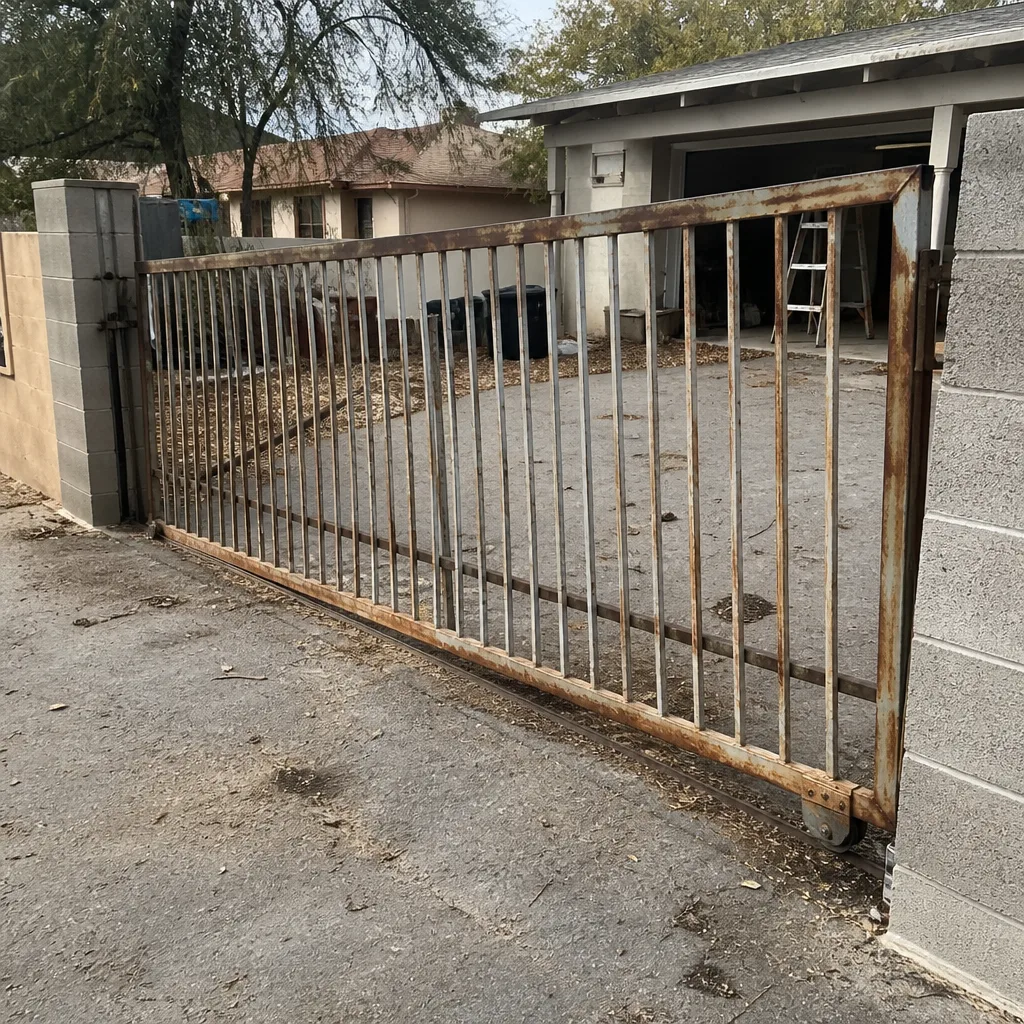 Before
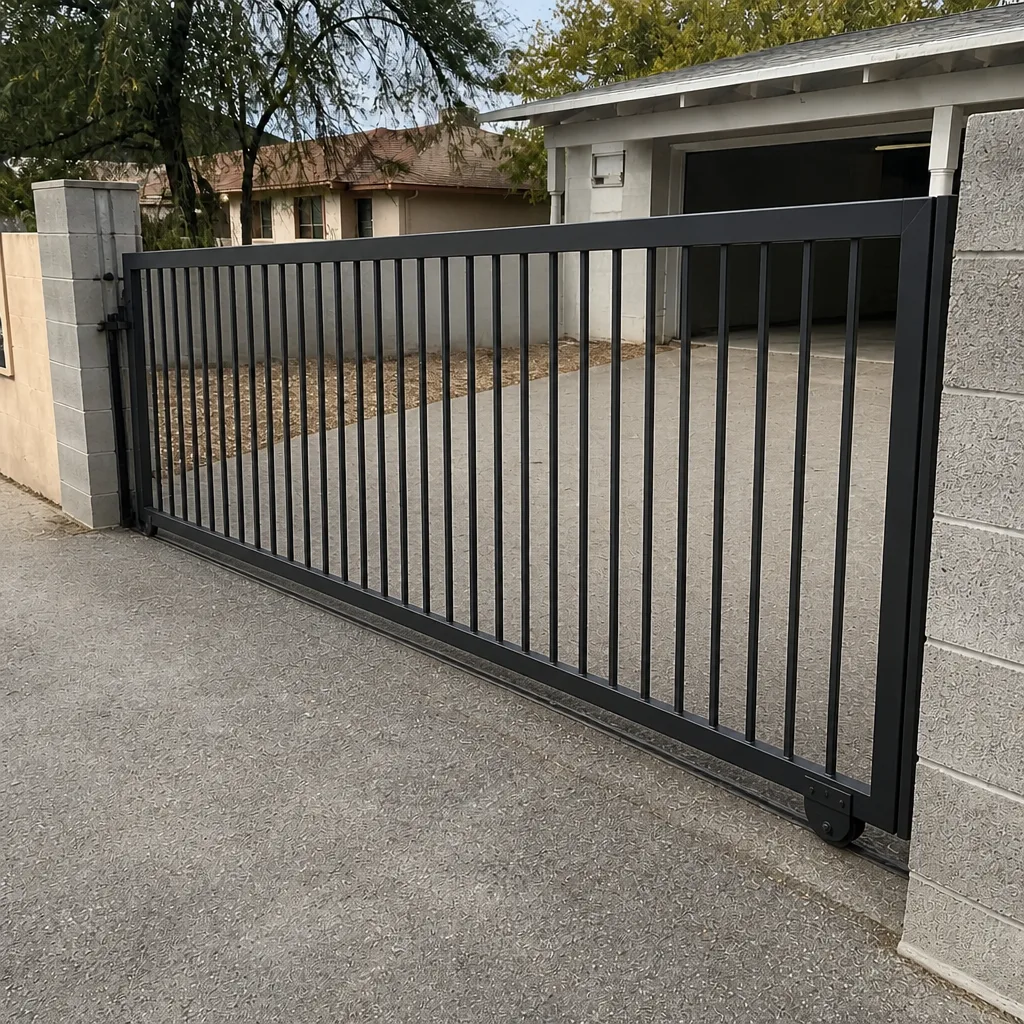 After
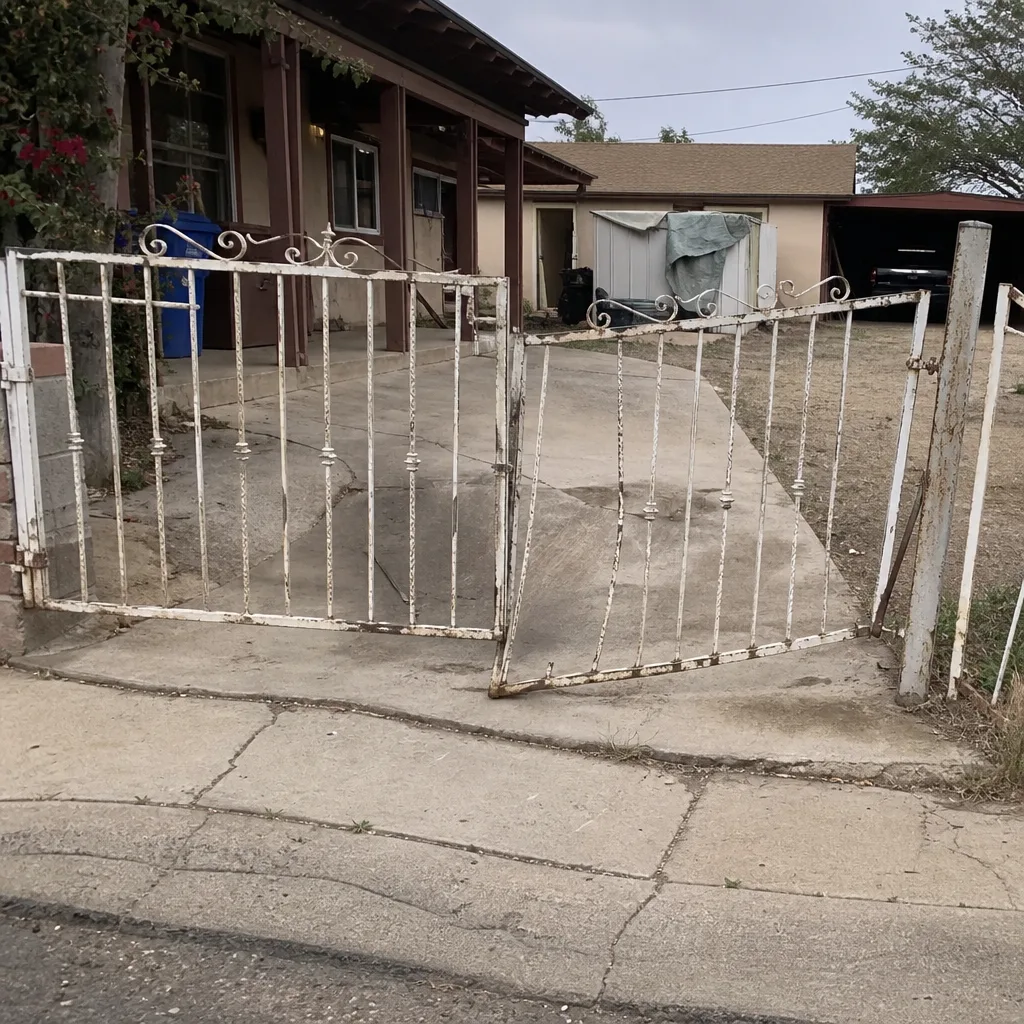 Before
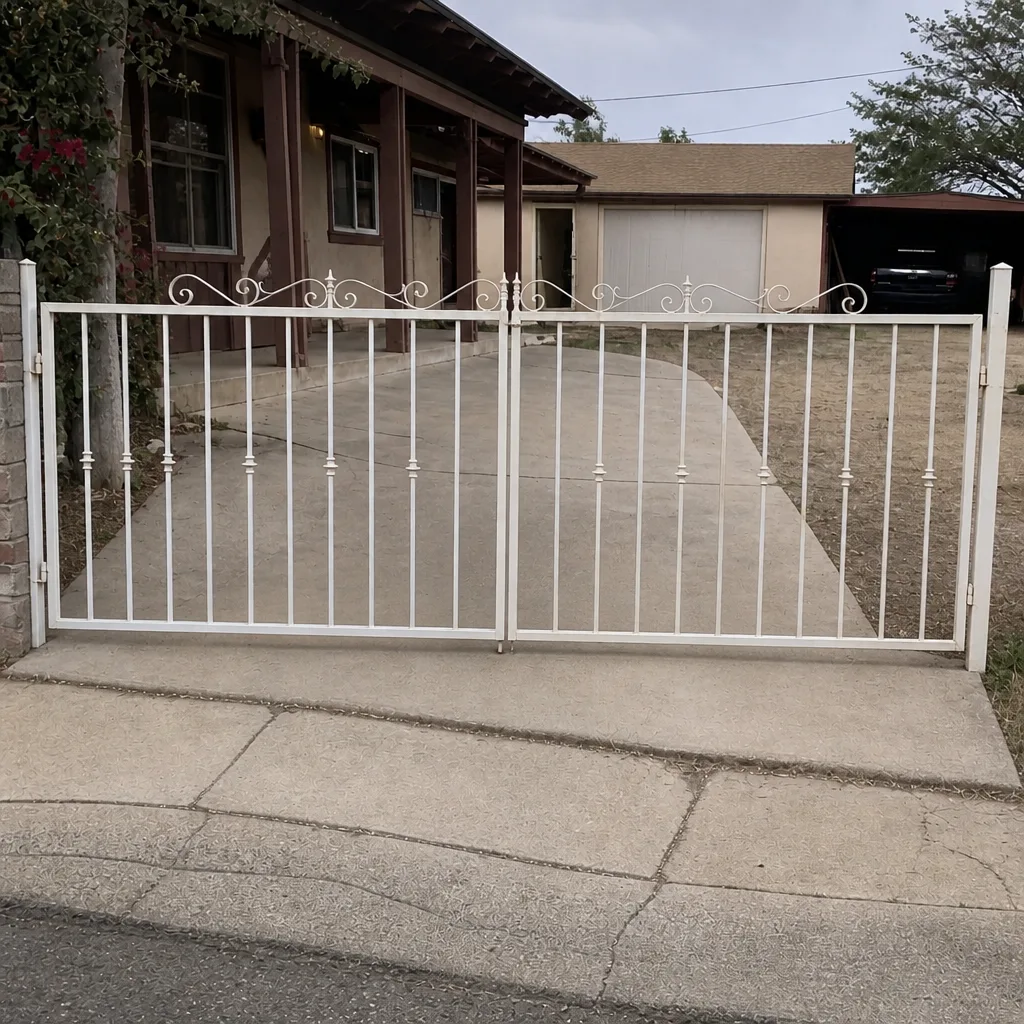 After
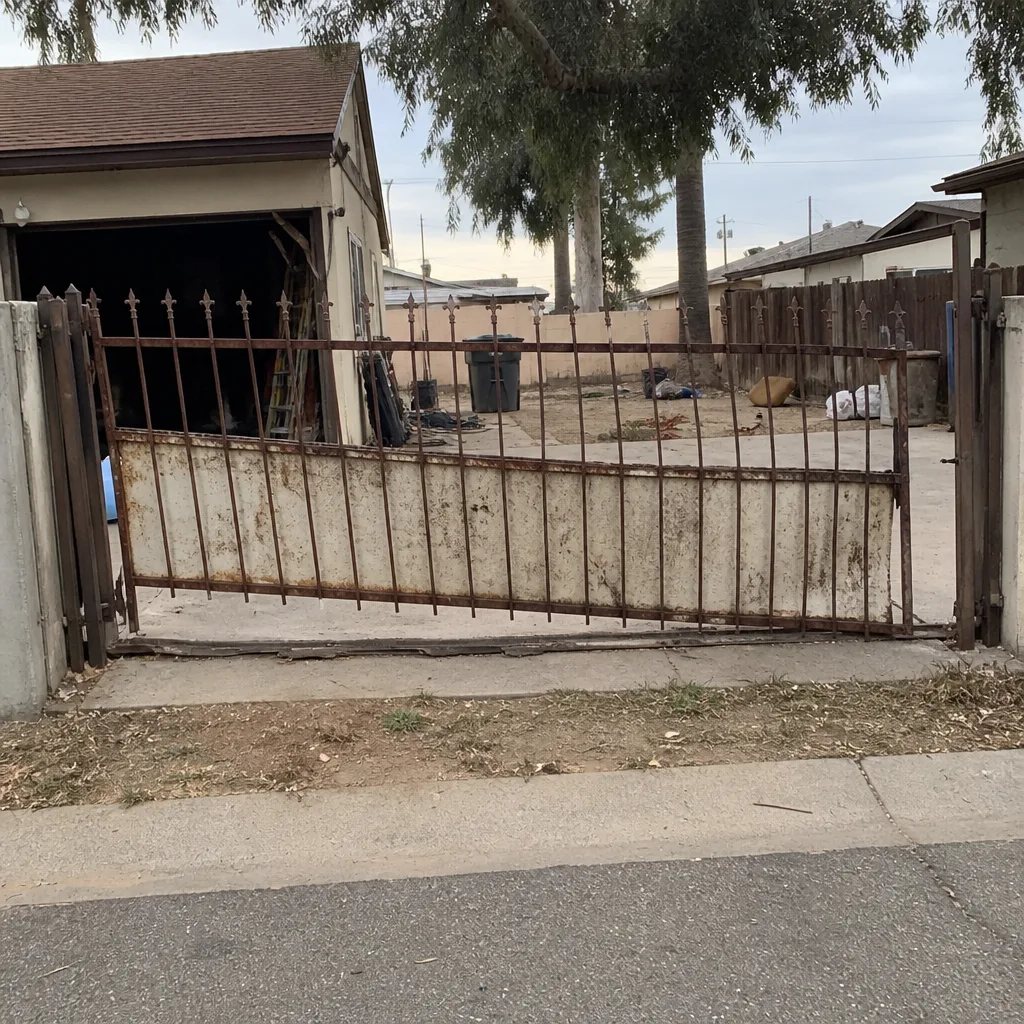 Before
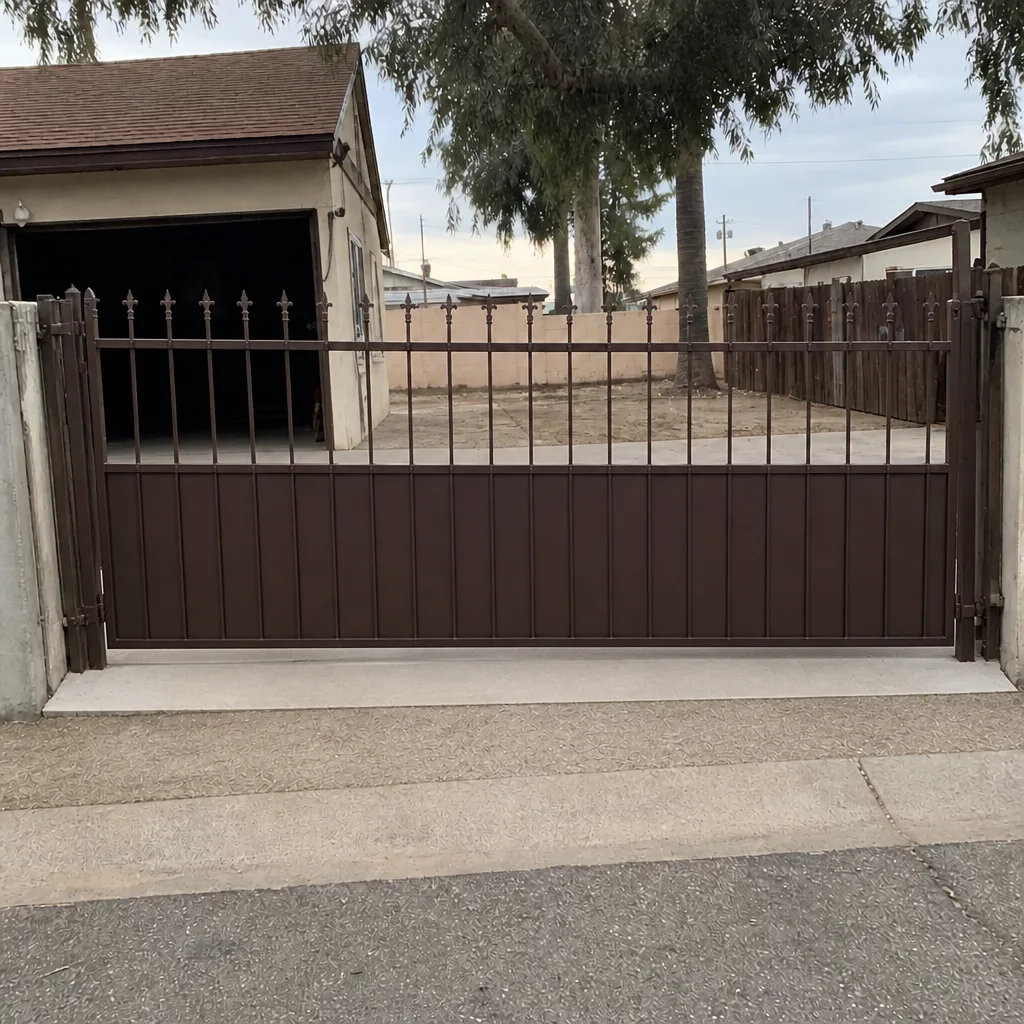 After
When to Call a Professional
Some gate work belongs on your shortlist, not your weekend. Call a professional if the operator has lost power or won’t cycle at all, if a heavy panel has come off its track or a slide gate has dropped, if the control board or safety devices need diagnosis, or if you can’t get the gate to stop or reverse on its sensors. Any electrical work on the operator’s circuit is a licensed-electrician job, full stop. And if you’re planning new installation, an on-site measure and a written price is how that work should start. Gate Repair Avondale offers free estimates in Avondale – call (866) 361-9597. We answer 24/7, with fast dispatch from 7am to 7pm. Our technicians have up to 12 years of experience, and installation expertise informs every repair diagnosis. If a gate has failed, we can often get out the same day to diagnose it.
Frequently Asked Questions
Usually not. Repairing hinges, latches, rollers, a sagging swing gate on existing posts, or a failed control board in an existing operator enclosure generally doesn’t require a permit. New post footings and any new or extended electrical circuit to power an operator typically do. Call Avondale’s building department with the address and the specific work to confirm, and call (866) 361-9597 for a free estimate on the repair itself.
If the work involves running or extending a circuit to feed the operator, yes – electrical work is the permit trigger. If the operator plugs into an existing exterior outlet, you’re usually fine. The circuit is also the part that carries real risk, so it belongs to a licensed electrician. We’ll tell you plainly what your system has and what the city will want to see; call (866) 361-9597. We answer 24/7.
No. City code is the authority, and the HOA can be stricter but never looser. A gate has to satisfy the city and stay in the HOA’s good standing, so clear both before work starts. Where they conflict, the stricter rule wins in practice. Submit the HOA architectural request early, keep the approval, and pull the city permit for anything structural or electrical.
Nothing right away, which is why it’s easy to miss. Later, though, the unpermitted work can flag a home sale inspection, stop work if it’s discovered during a nearby permit pull, or come up in an insurance review of a gate-related incident. The installer usually isn’t there to fix it, so the owner bears the cost of pulling the permit after the fact and correcting the flagged items. If you’re facing that, call us for a diagnosis.
Yes. We coordinate the electrical work, the operator, the safety edges, the loop detectors, and the controls so the whole system comes up integrated and ready for inspection. Our technicians have up to 12 years of experience, and we’re comfortable across residential brands like Mighty Mule and Ghost Controls as well as commercial systems like FAAC, BFT, and DoorKing. That work is measured, ordered, and scheduled, with a free on-site measure and a written price. Call (866) 361-9597.
Ask for the permit number and a copy of the permit as issued, the passed final inspection record, the written estimate and invoice matching the scope, and the electrical contractor’s license and permit if a circuit was run. Add the operator’s manual and any HOA architectural approval. Store a physical and a digital copy together with your home records. If a contractor can’t produce them, ask why before final payment.
The Bottom Line
The permit line in Avondale is really two lines: new structure and new electrical work. Mechanical repairs on an existing gate sit outside it, and that’s most of what we do. Anything that pours new footings or runs new power sits inside it, and that’s where the paperwork and the licensed work matter. Draw the line before you sign a scope, clear both the city and the HOA in planned communities, and keep the permit, the inspection record, and the invoice on file. The consequences of skipping that step arrive years later, during a sale or a claim, and the person who left the mess behind is rarely there to fix it. Keep your gate secure and your records clean.
Call (866) 361-9597 for a free estimate. We answer 24/7. Fast dispatch from 7am to 7pm, Sunday through Friday. Whether it’s a repair, an electric operator, or a new install you’re planning, we work on the brand you already have – nine brands, one call.
Written by the team at Gate Repair Avondale.